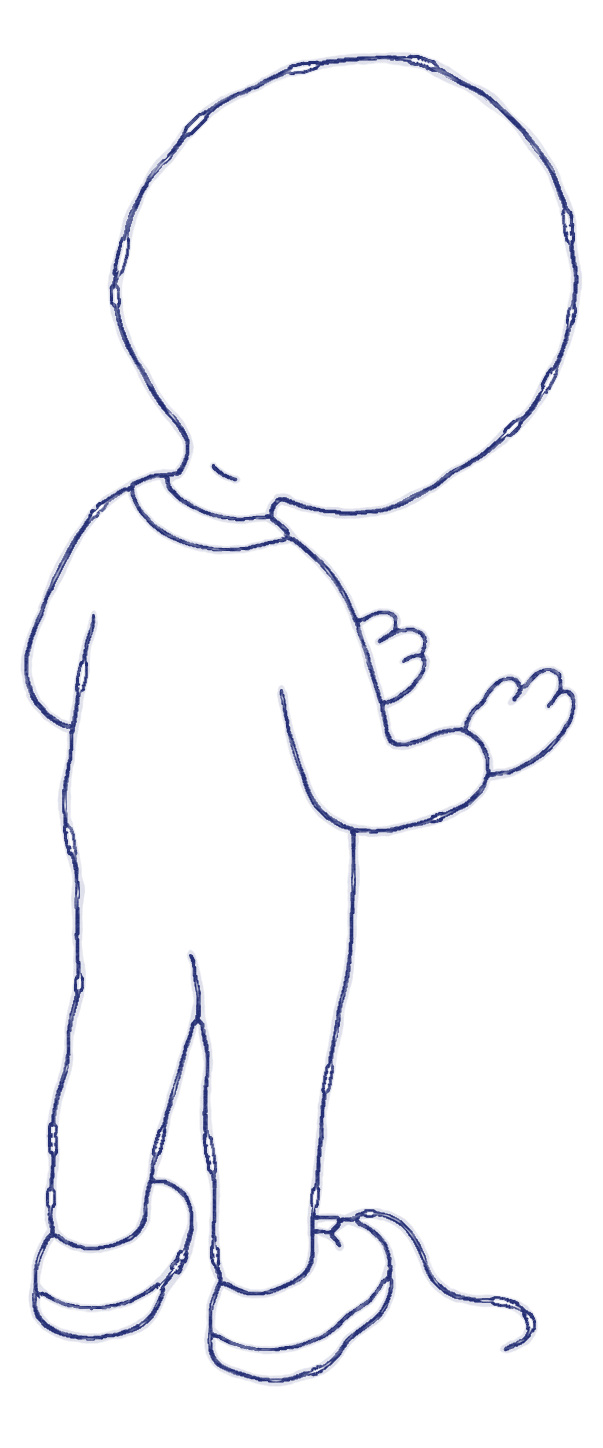
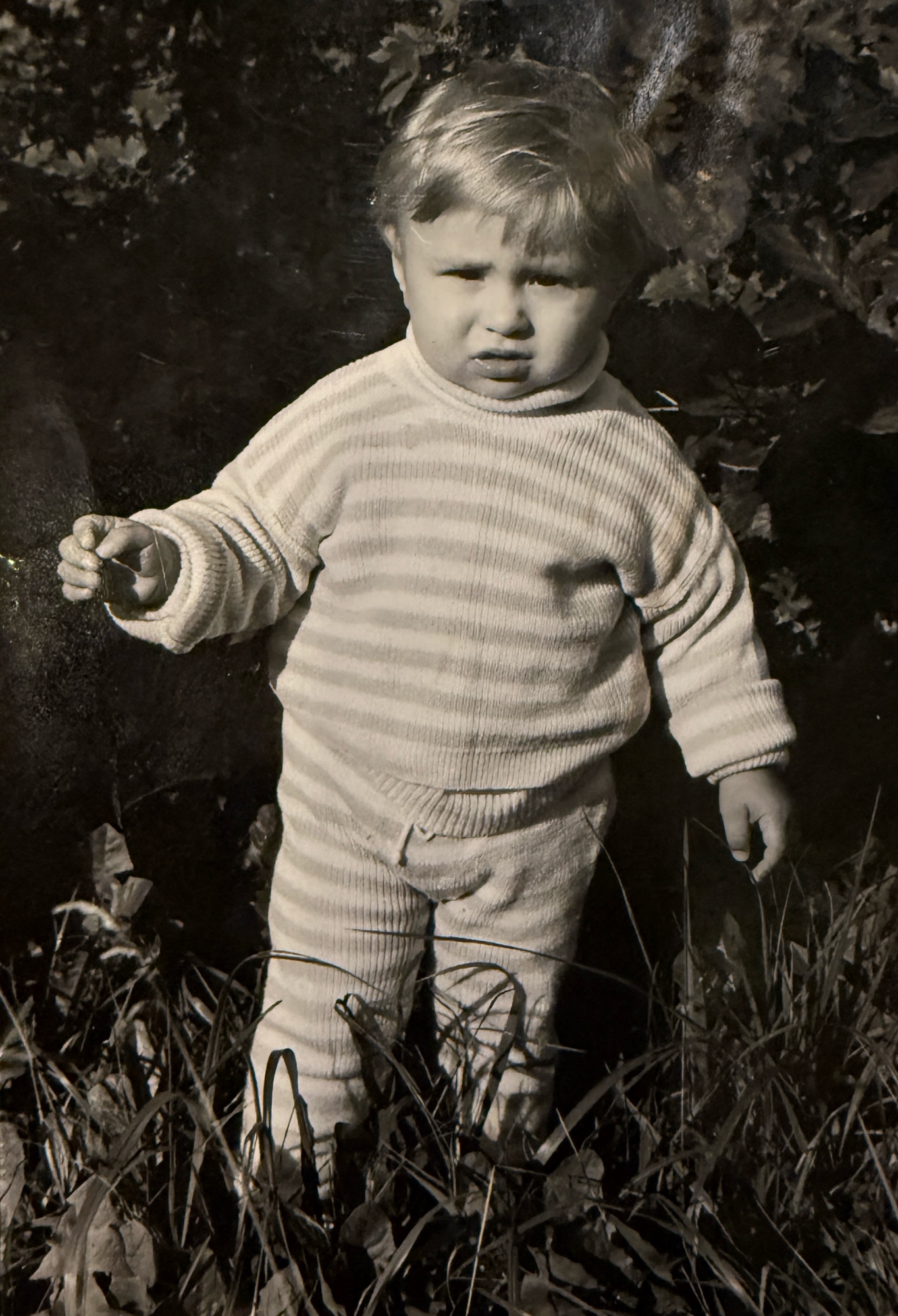
Someone fills in my name
Maternity ward record
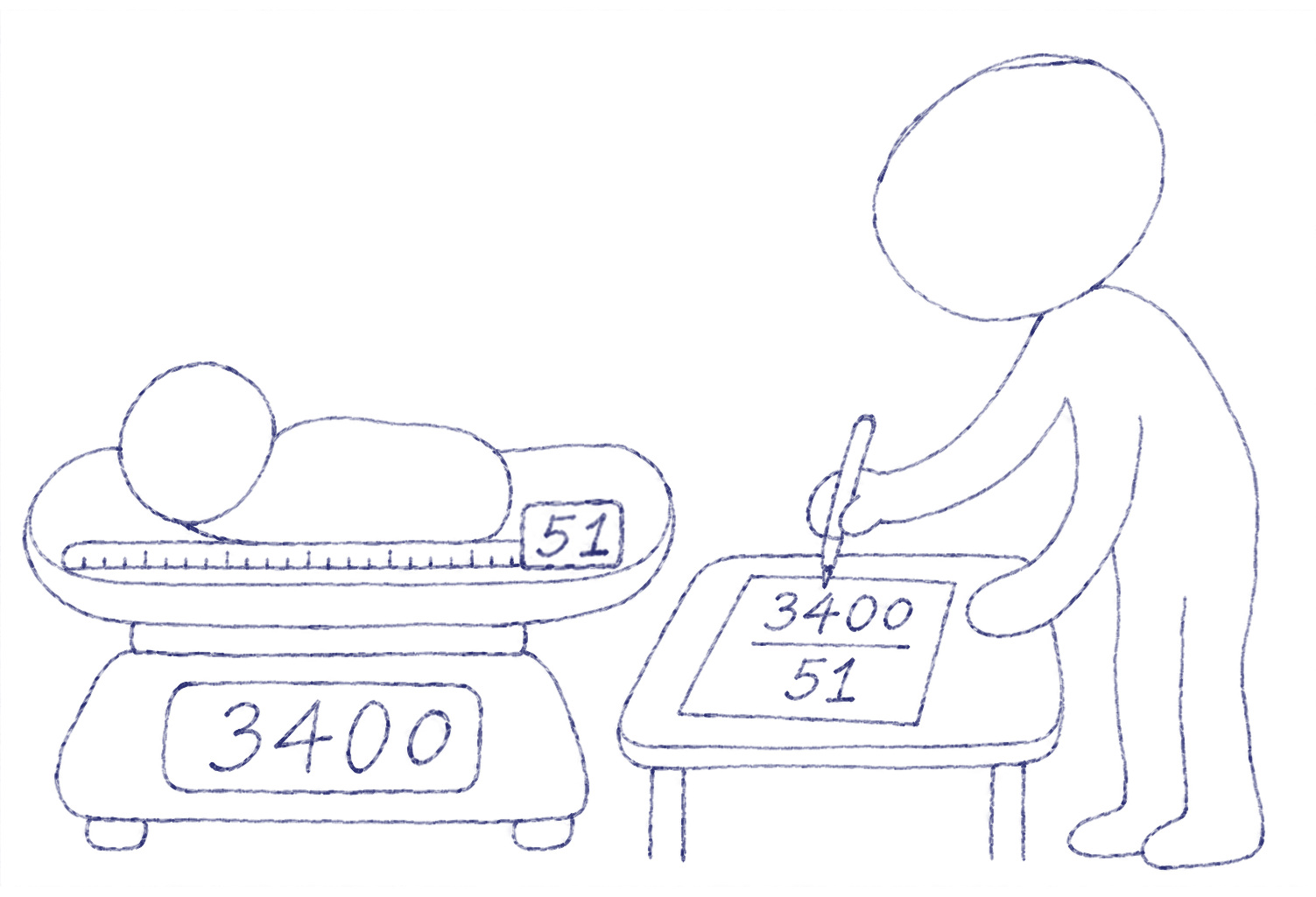
The length and weight in the drawing are examples.
- Name
- Kirill
- Length
- 51 cm
- Weight
- 3400 g
- Time of birth
- Date of birth
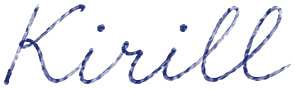
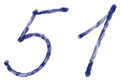
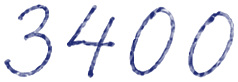
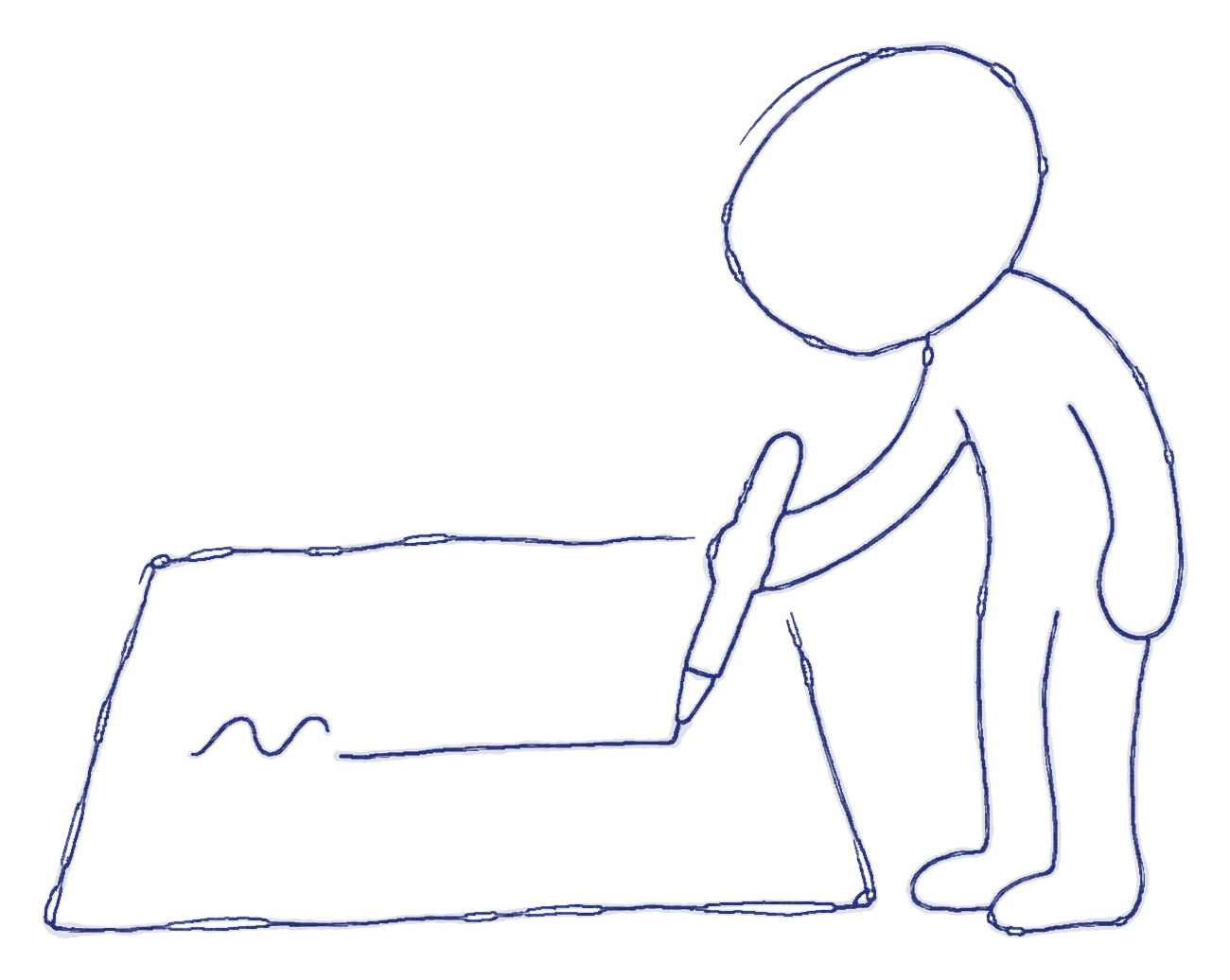
I’m the baby on the scale. It reads 3400 g. An adult copies those four digits into the box marked “Weight”. A tape runs from my head to my heel. My heel reaches 51 cm. The adult writes “51 cm” under “Length”.
There’s a place for my name, Kirill, and for the date and time of my birth. The adult learned to read and write those letters and digits. I haven’t learned a single one.
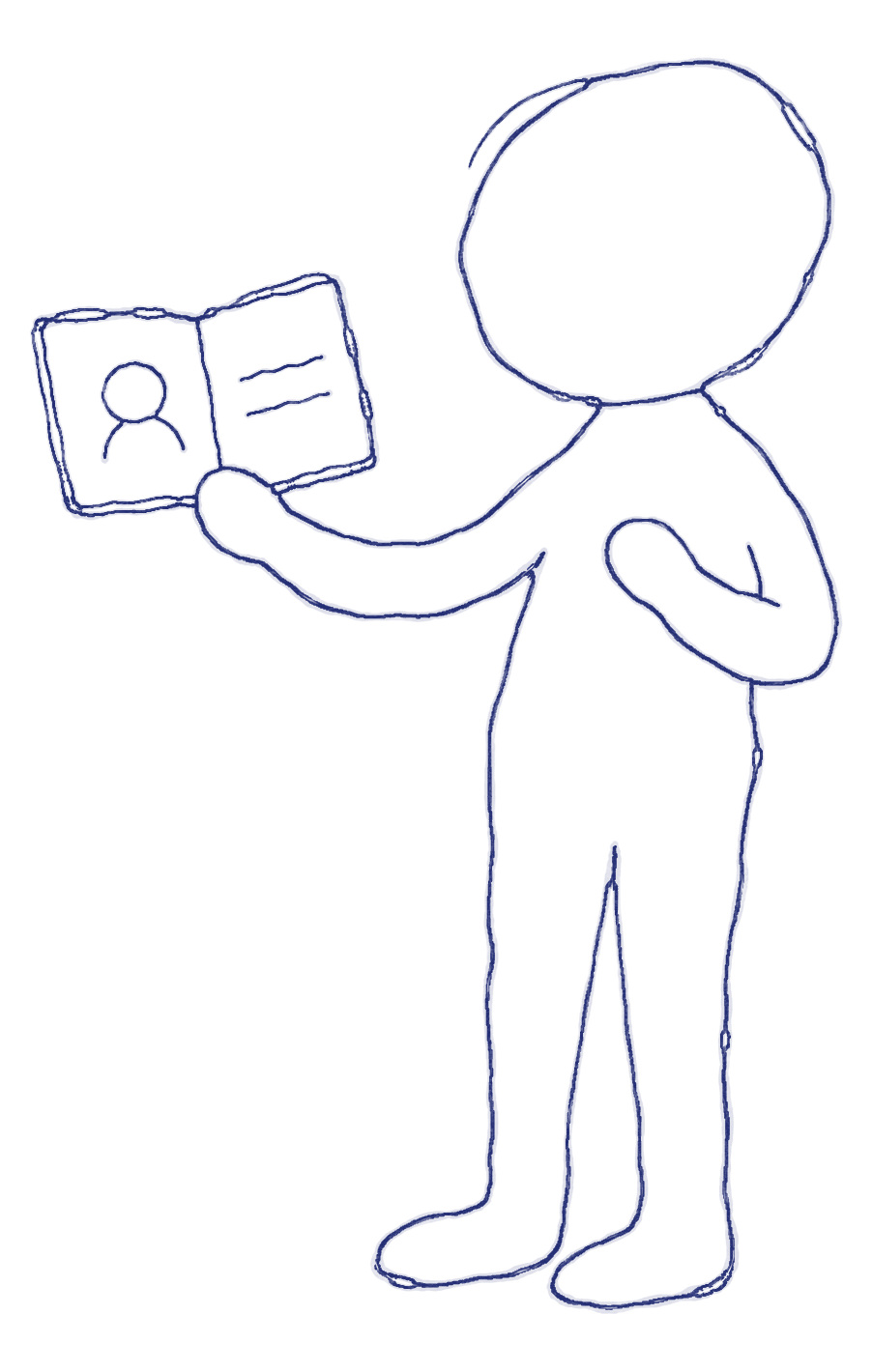
Years later I can hand you the card. You can tell what I weighed at birth. To find out what I weigh today, I can step on a scale again. Suppose I point to the card and say, “That’s who I am.” The adult wrote down what I weighed. I’m the one who just made those figures answer a different question.
When did anything on that card become me?
It never did. Someone can pick up the card and walk away with it. I’m still lying on the scale.
How did that mark come to say “I”?
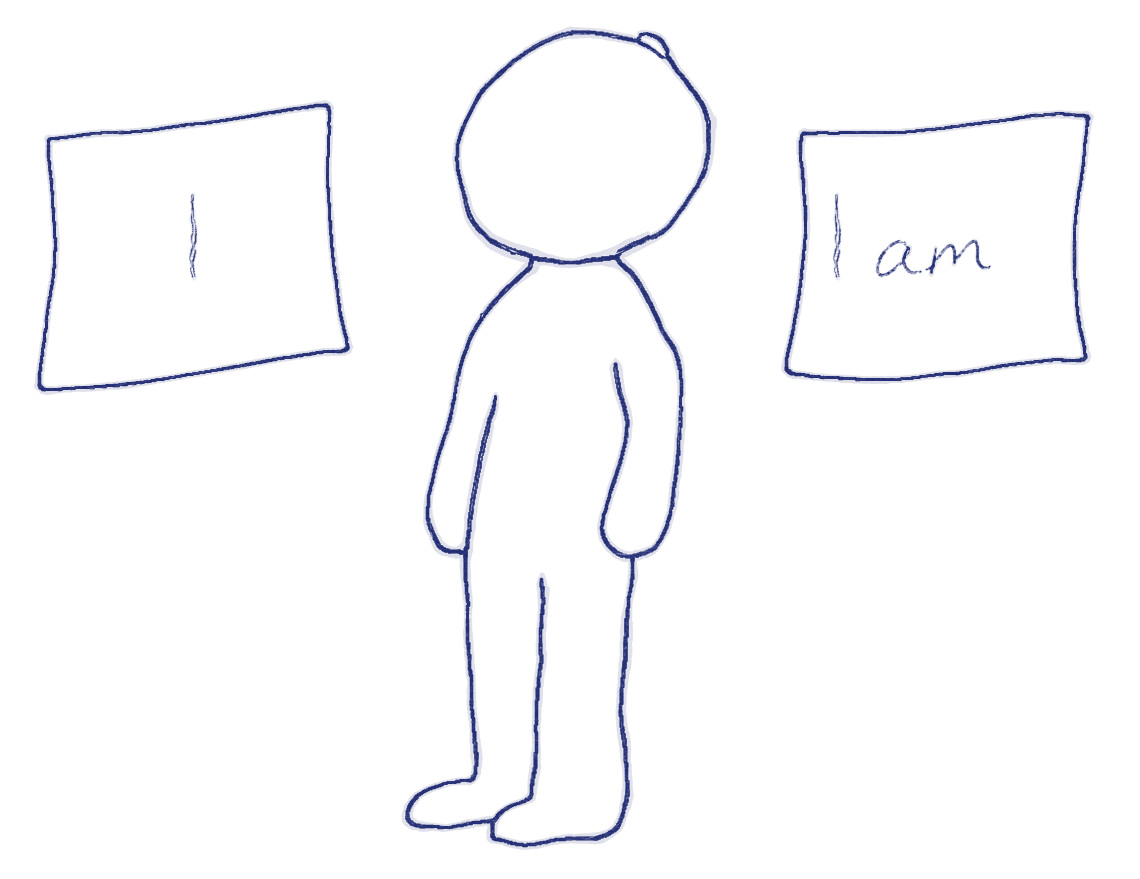
One upright stroke

I
I am
Я Я Я
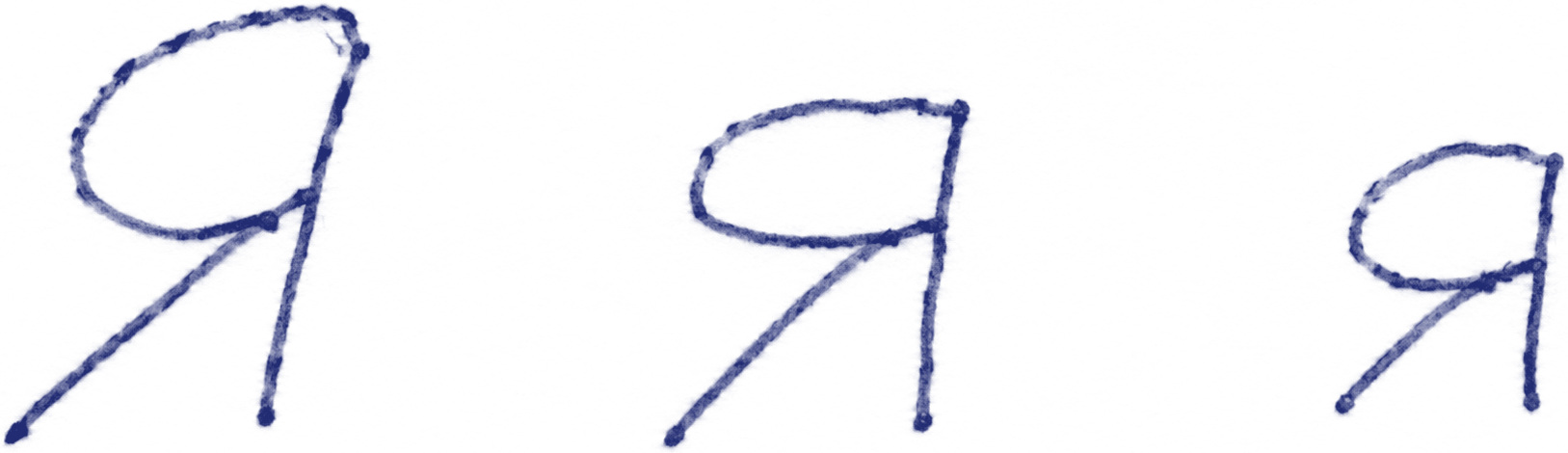
As a child I already had a sound I used to speak about myself. In Russian it was я. I heard other people say it about themselves, then I used it for me. By the time I opened a handwriting book and copied the shape Я, I knew exactly how to say it.
I draw an upright stroke. It could be a tally of one. I add “am” beside it and read “I am”. I see the first letter and think, “That’s me.” I touch my chest. I hand you the scrap. You can read the same “I” aloud and touch yours. A million people could do that with this one piece of paper.
Jung wrote about the collective unconscious. Can a letter we both learned tell me what our minds shared before either of us learned it? We can each use this mark to speak about ourselves whether Jung was right or wrong. If I want to know what came to your mind as you read it, I can ask you.
I learned to make the sound and copy the letter. When did either lesson oblige me to believe that the sound in my mouth or the ink on the page was me?
Who said it first?
At supper
I haven’t spoken.
“You’re a quiet one.”
“I’m quiet.”
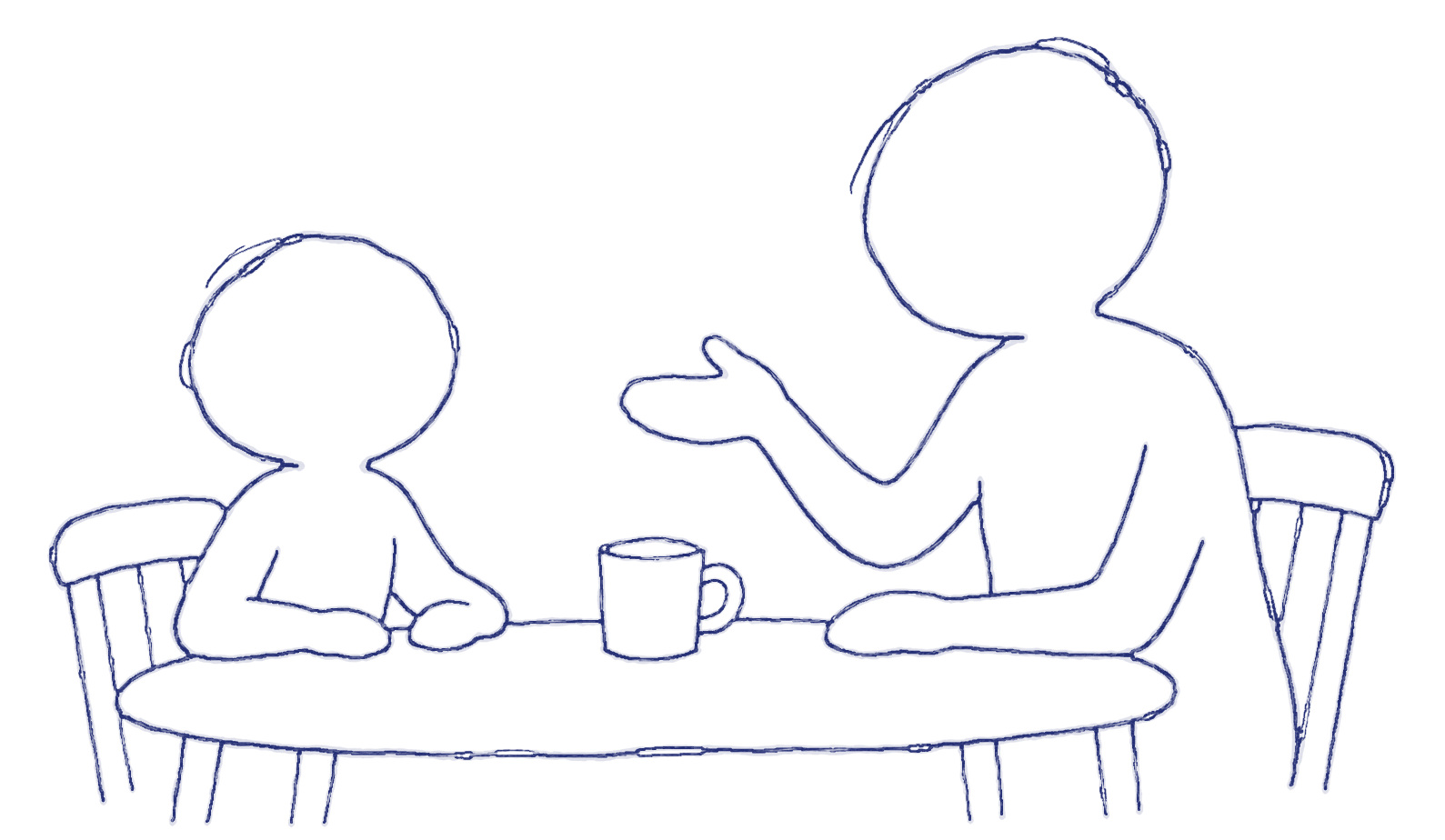
Picture me as a child at supper. I’m listening to the people at the table. An adult says, “You’re a quiet one.” I might have plenty to say once I’ve swallowed. Nobody has asked. All anyone has seen so far is a child who hasn’t spoken over supper.
Give it a few more suppers. Someone asks me to tell them about myself. “I’m quiet,” I say. A grown-up who knows me nods. I can get the answer right before I can spell a word of it. That nod matters to me. I can take those words home and say them to myself with nobody else in the room.
Another family can do this in a language I don’t speak. A child only has to hear which answer gets that nod. One day the child can be the one asking the question.
When did I begin to take that description for who I am?
When I had something to say and kept it to myself because “I’m quiet.” I’d learned that answer so well I could let it decide whether to speak.
How the note comes true
What happened in class

She read the note.
She handed him the book.
His was the voice we heard.
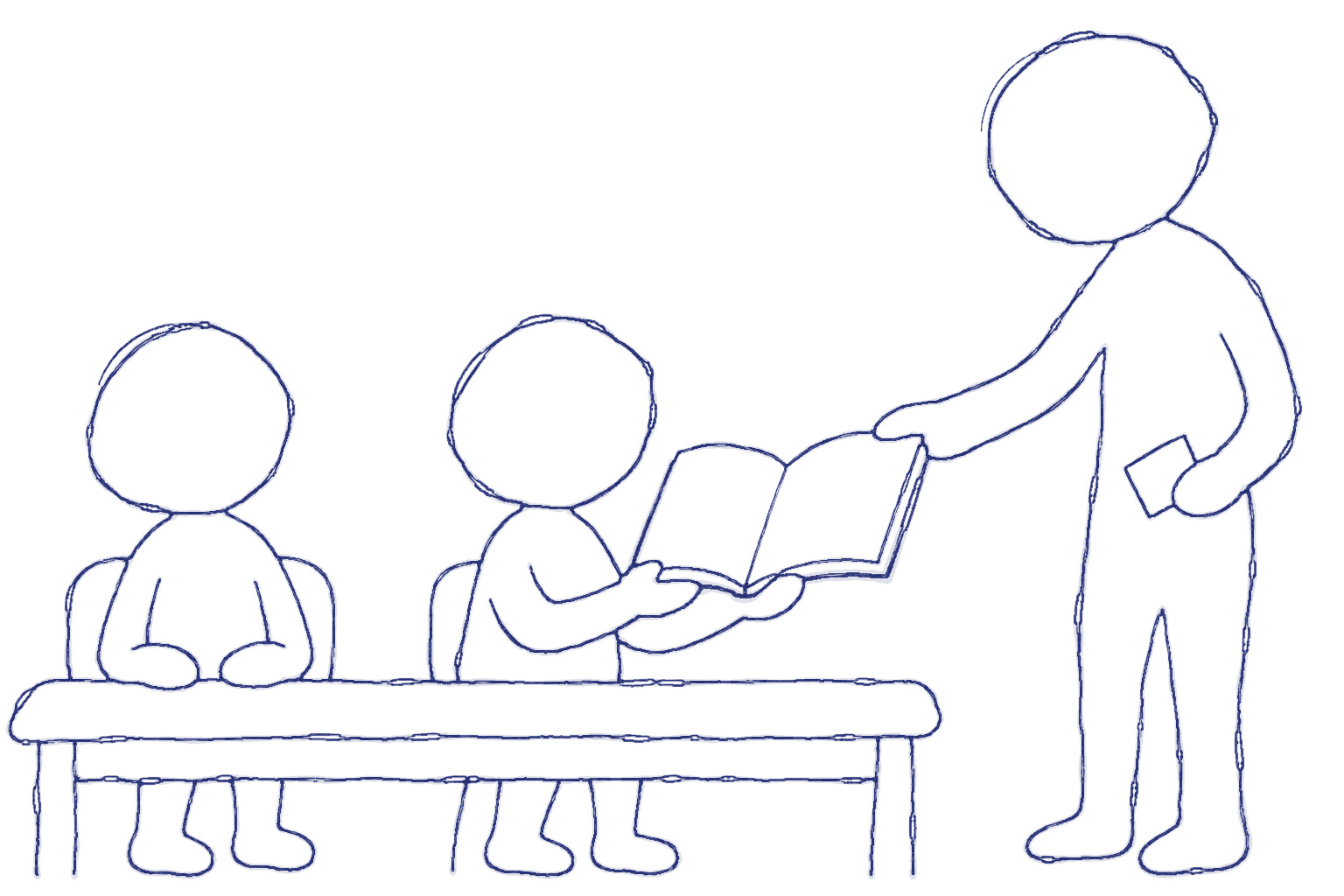
Suppose a note reaches my new teacher before I do. It says I’m quiet. She needs someone to read a passage aloud. She glances at the note and hands the book to the child beside me. He reads. I sit through the lesson without saying a word.
Later she can tell the next teacher, “It’s true. I never heard him speak.” She was there. So was I. I remember something the note will leave out. She had the book in her hand and she chose who got to read.
A few words can travel from home to school and pass for two people’s experience of me. As a child I depend on the adult who has the book. Years later I can be that adult. I can make an old description seem true of a child I’ve barely met.
What can I do while the book is still in my hands?
I can ask, “Would you like to read?” Then I can wait. I don’t know the answer yet.
What a record can carry
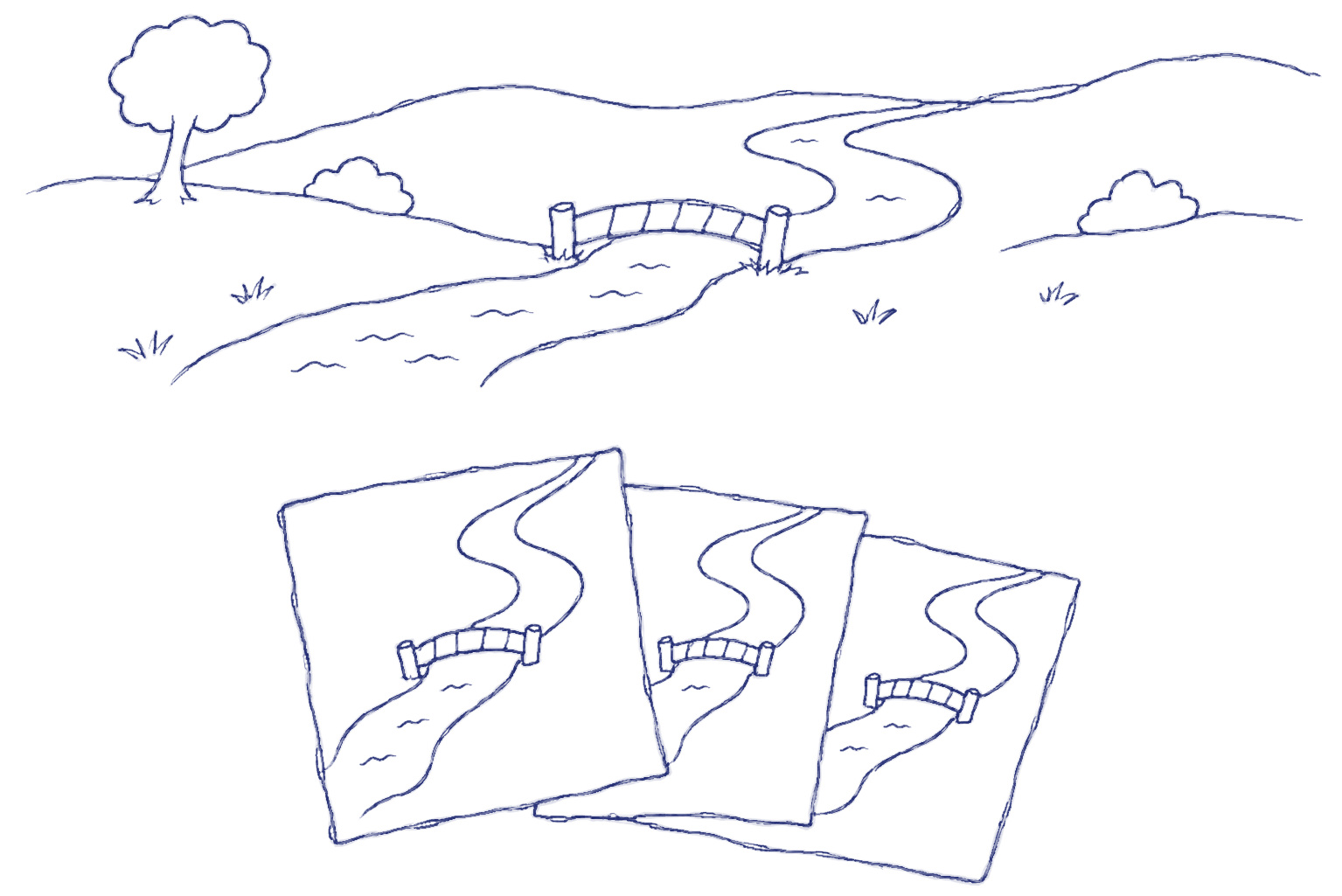
Three maps
I can see a bridge on every sheet.
When did anyone last visit that bank?
Who first took a description for the person it described? I don’t know. I can date a list. On a clay tablet from Umma in Mesopotamia, I can still read what messengers were meant to get four thousand years ago. Bread and onions. Did each traveller eat enough?
Three maps show the same bridge. If two were copied from the first, all three can agree without a second visit to the river. Suppose I go there and cross the bridge. Now I’ve checked for myself.
I really was quiet at supper. My teacher never sat at that table. She can read the note, hand the book to my neighbour, then tell the next teacher I sat through the lesson in silence. Both reports can be true. If the next teacher passes me over too, she’s taken what I did yesterday as my answer to “Would you like to read today?” Nobody has asked me.
What could I pass on to the next teacher?
It took me thirty-five years to put this into words. I could tell her who chose the reader that day. If she wants to know whether the child would like a turn today, she can ask.
Give me full marks
On my exam paper

Homo sapiens
Full marks.
A biology exam asks for the scientific name of my species. I write Homo sapiens. Give me full marks. I can learn what evidence supports that classification. I can use the name correctly for you as well as for me.
Outside the exam room someone hands me back my paper. “You wrote it yourself. You’ve agreed this is who you are.” I look again. I answered the question about my species.
I could sign my answer. I’d be adding a second name I learned to write.
I got the biology right. When did that oblige me to take the two words on the page for myself?
Who set me looking for the real me?
In a bookshop

Find your true self.
I came in for a birthday card.
I could be looking for a birthday card and come home with an assignment. In the bookshop I open a journal. Across the first page someone has written “Find your true self.” There are lines for my answer.
I know how to read “true” and “self”. Someone taught me both words. I might enjoy filling those lines with things I care about. I can also put the journal back, buy the card and leave without finding another name for myself.
What happened there in the aisle? I read four words somebody wrote.
When did finding a truer version of myself become a job I had to finish?
There are three faces on the card
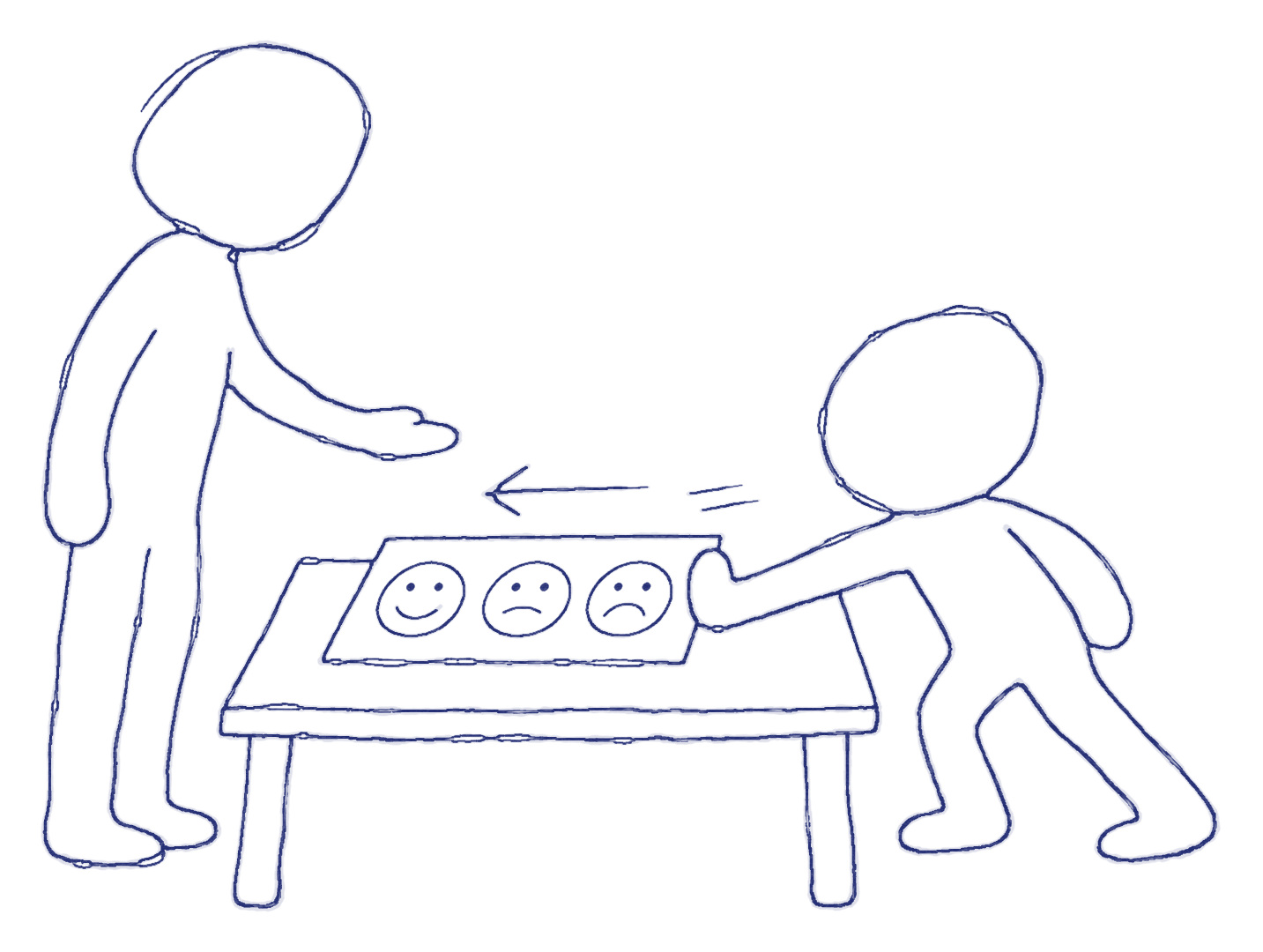
At the kitchen table

happy · angry · sad
Come on, everyone feels something.
I can make a feelings card with three faces and sit down at the kitchen table with a child. Under the faces I write “happy”, “angry” and “sad”. If the child points to one, I can say the word aloud. They might want to hear it again.
Suppose they push the card away. If I push it back and say, “Come on, everyone feels something,” I have already chosen the words “feels” and “something” for them. I am the one keeping the lesson going.
I can put the card away and sit with them. They needn’t first learn enough English to explain why they’d like me to stop.
What gives me the right to keep asking until the child names a feeling?
What I mean by love
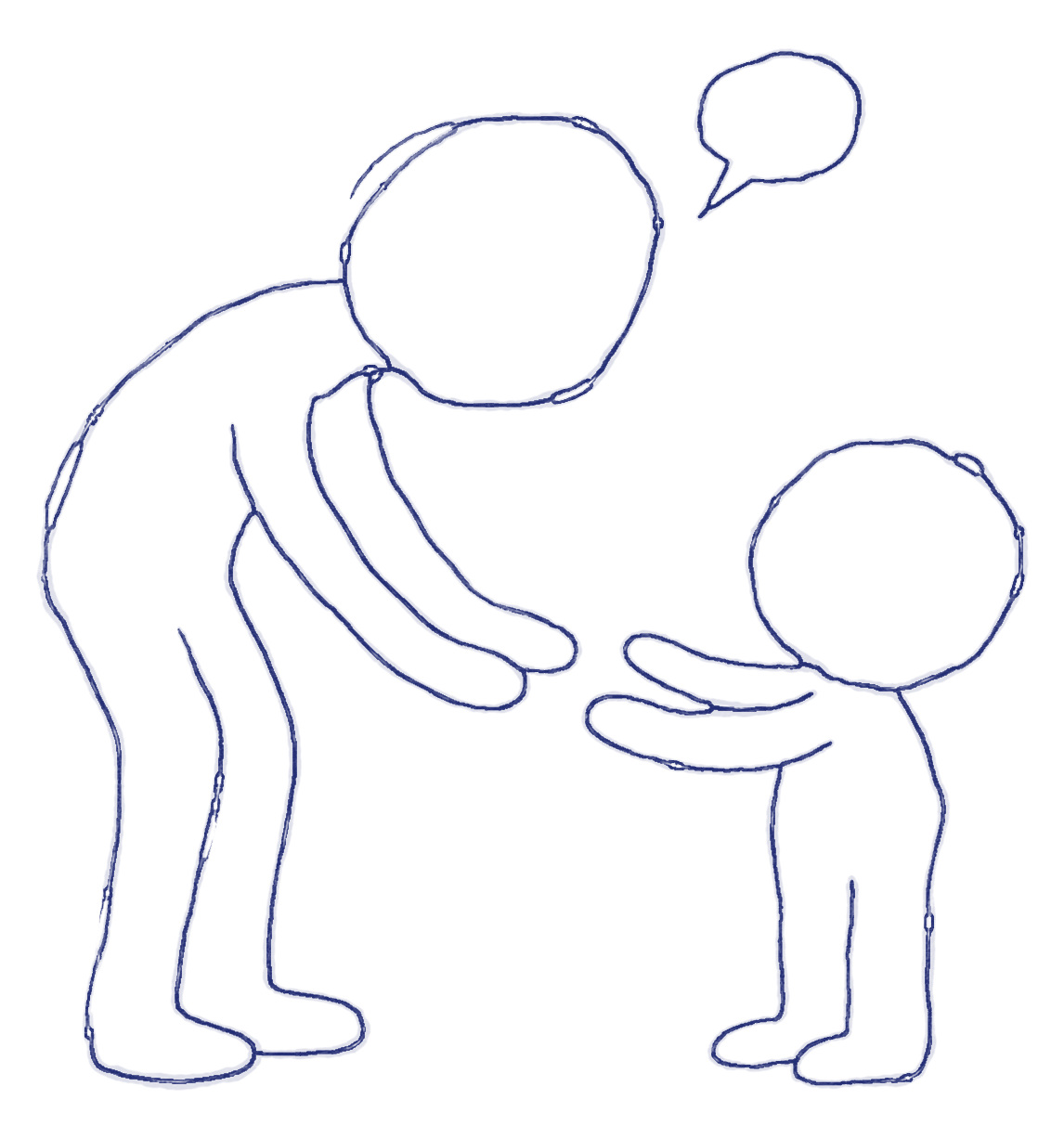
What I put on the page

L O V E
Four letters.
I could fill this page with the word “love” without once looking up. I learned the four letters. I know what order they go in. That’s all it takes to write the word.
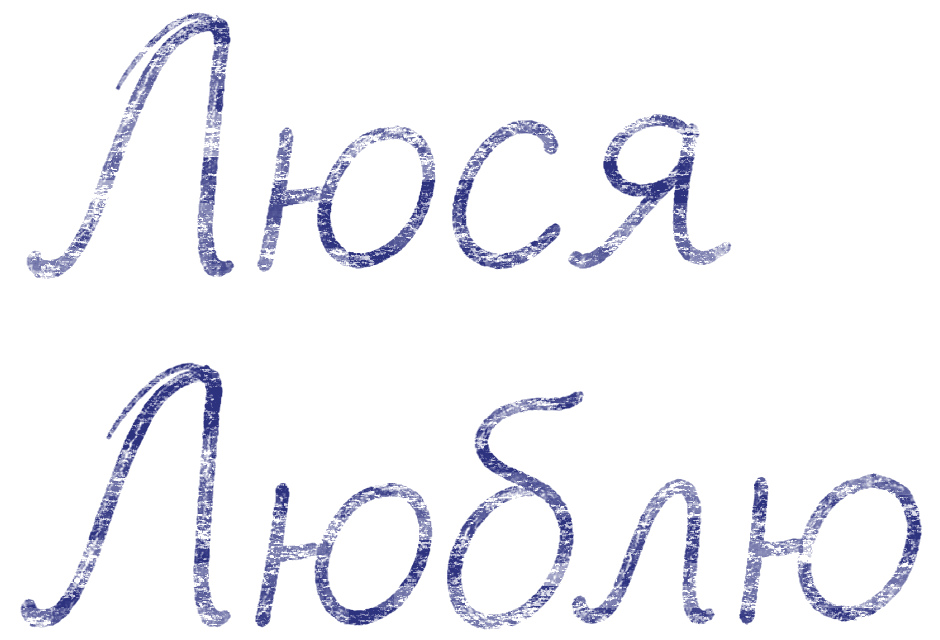
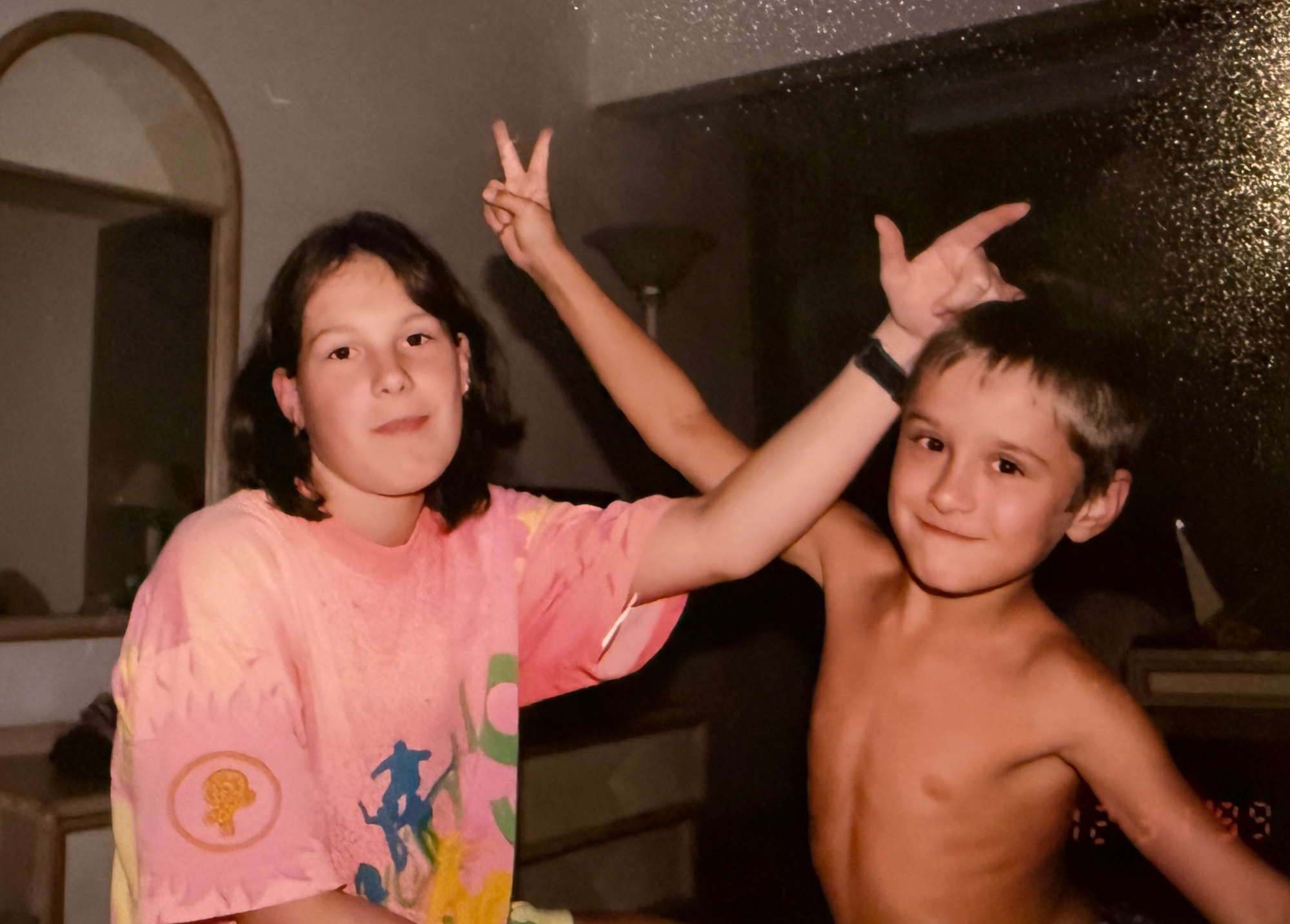
On the mountain I was the one with a hand in the air. I called up to my sister. Lyusya heard me and called some people over. They helped me up. I can put the word “love” on this page years later. What I remember is that she answered me.
When I use that word, I mean giving someone else the same attention I give myself. Say a child reaches for me. It could be my own child or a child I’ve just met. I can hold out my hand without saying a word. If the child draws back, I can give them room.
What happens if I say, “Tell me you love me first”?
I’ve made a child wait while I listen for my own words to come back to me.
I chose the words myself
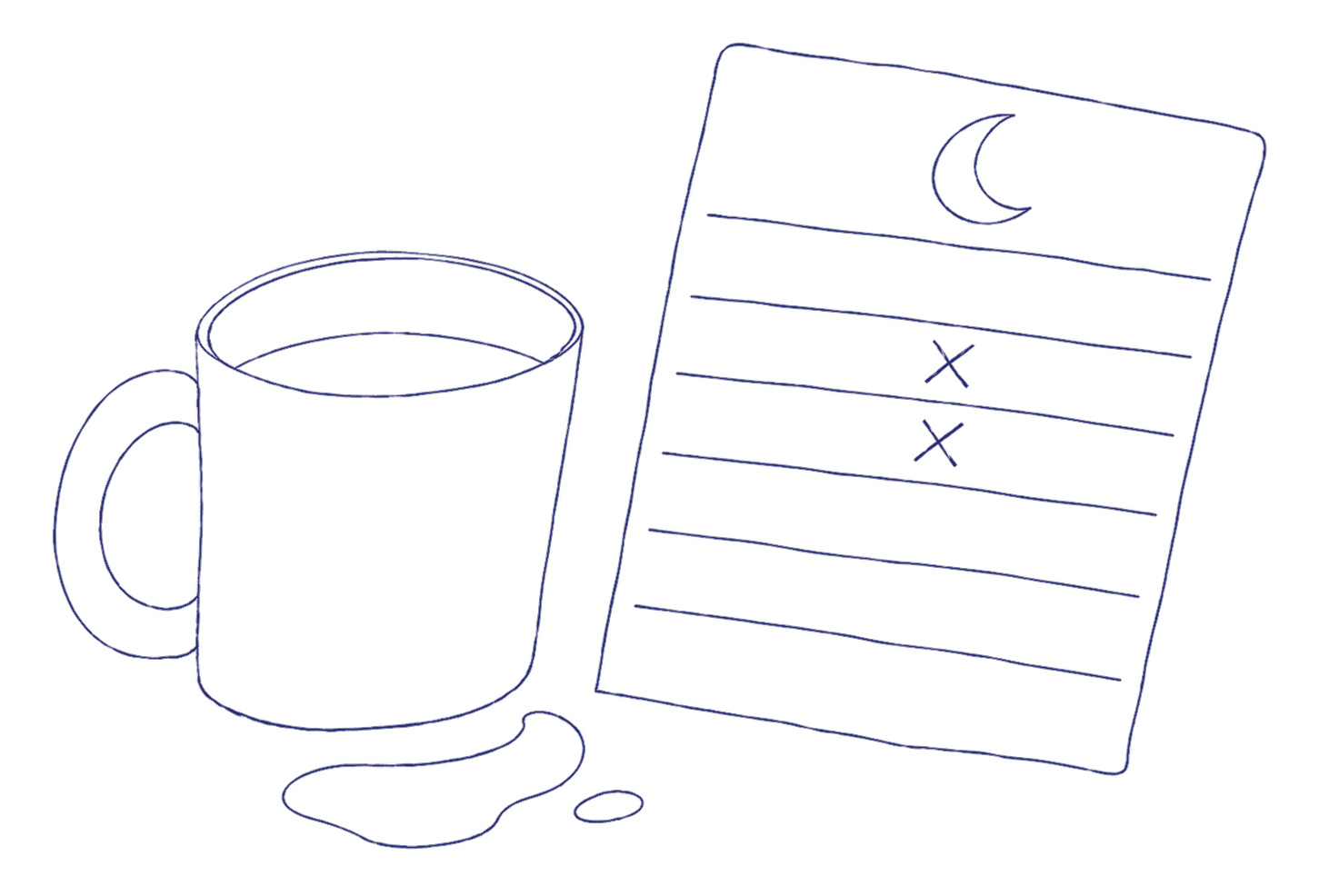
On the work schedule

I’m a night owl.
But you’re our night owl.
I could tell the person who draws up the work schedule, “I’m a night owl.” I pick the phrase myself. I like it. I mean it. That week I’m pleased to be offered the late shift.
Months later I ask for a morning shift. “But you’re our night owl,” comes the answer. Something I once said over coffee has found its way into every week on the schedule.
Suppose I still love staying up late. I don’t have to prove that I’ve changed in order to ask for Thursday morning.
When I chose those words to describe myself, did I also choose every shift that followed?
What did you say while you were quiet?
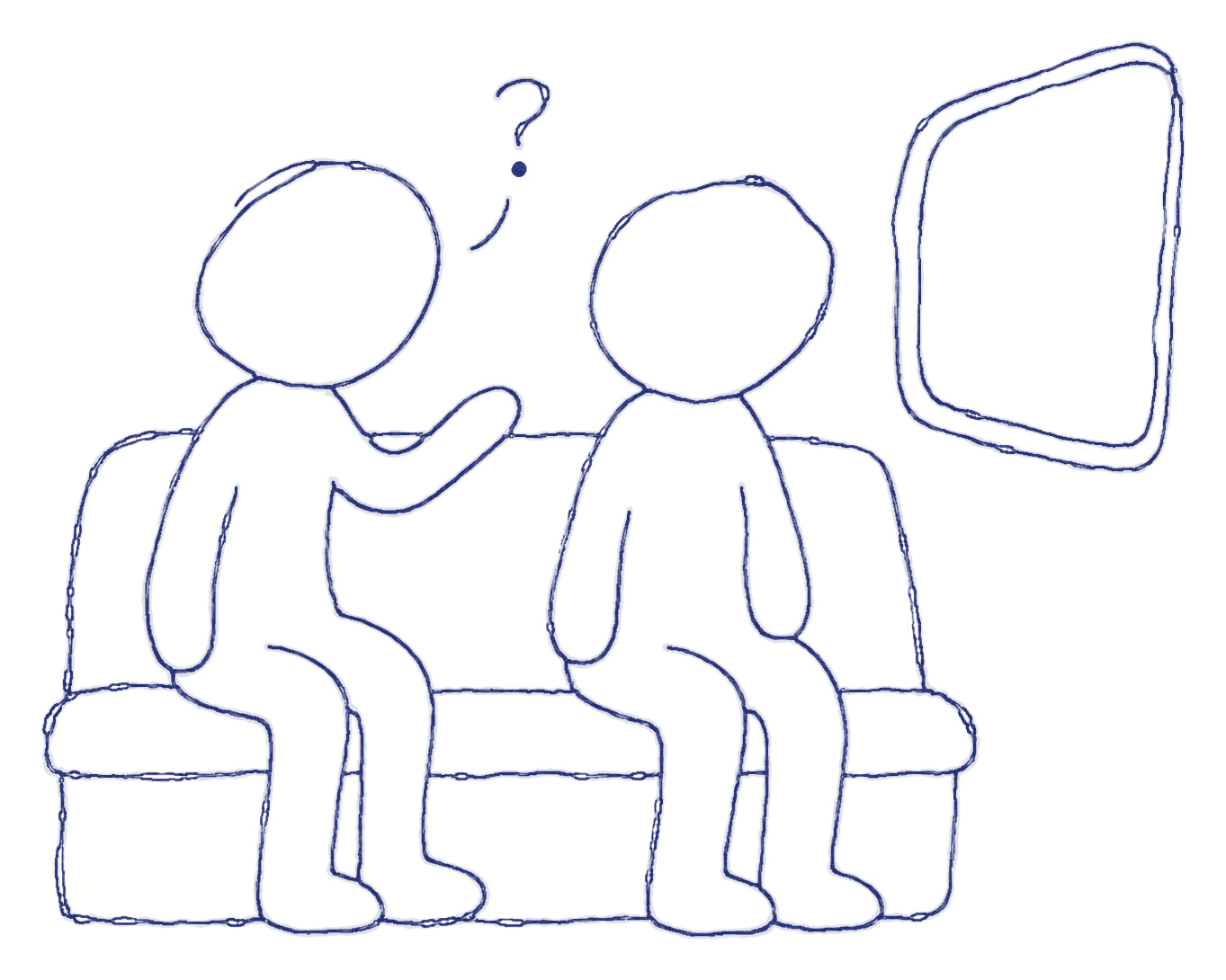
On the way home

You’re angry with me.
You tell me you’re tired.
I could get a whole argument going on the ride home while you sit quietly beside me. “I know that look,” I say. “You’re angry with me.” You tell me you’re tired. I hear how quietly you say it and take that as further proof that you’re angry.
I’ve given you the job of settling an argument I’ve written both sides of. Even when I say, “You can tell me how you really feel,” I’m still waiting for you to give me the answer I picked.
I could speak for myself. “I’m glad you came with me.” Then I could ride a few more stops beside you without making you account for the silence.
How much about you did I learn from hearing myself say the word “angry”?
Who gets a hearing?
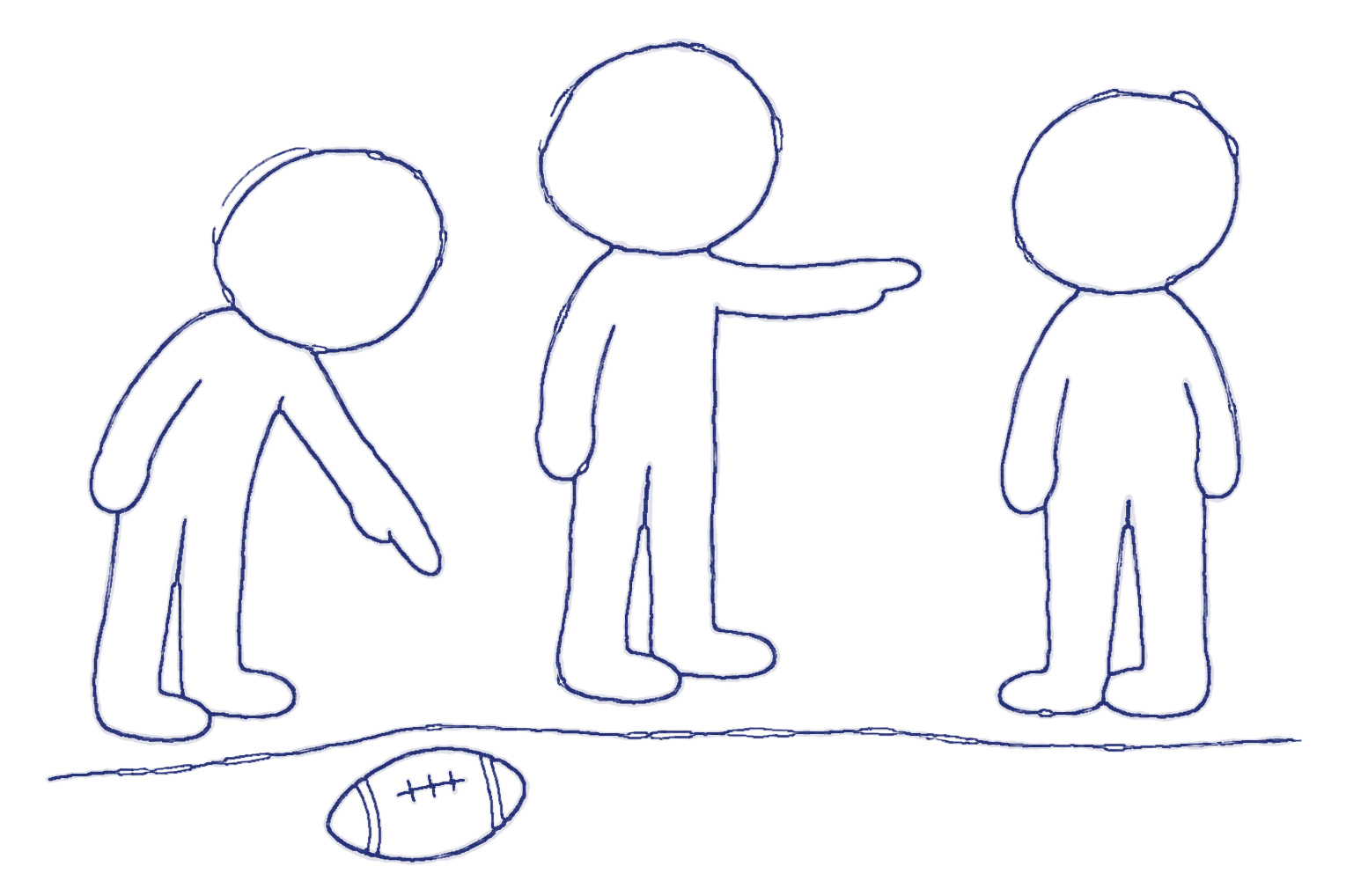
At the touchline

She’s with them.
Where did the ball land?
I can give two people quite different hearings at the same game. A ball lands near the line. A girl beside me says, “It was out.” I turn to hear where she saw it land. My friend whispers, “She’s with them.” I turn away.
A boy in my team’s shirt says the same thing. This time I ask him to show me the spot. They stood a pace apart. I haven’t yet checked what either of them saw.
I was the one who turned away. I can turn back and give her time to answer.
What did “with them” tell me about where the ball landed?
Both tables get the same meal
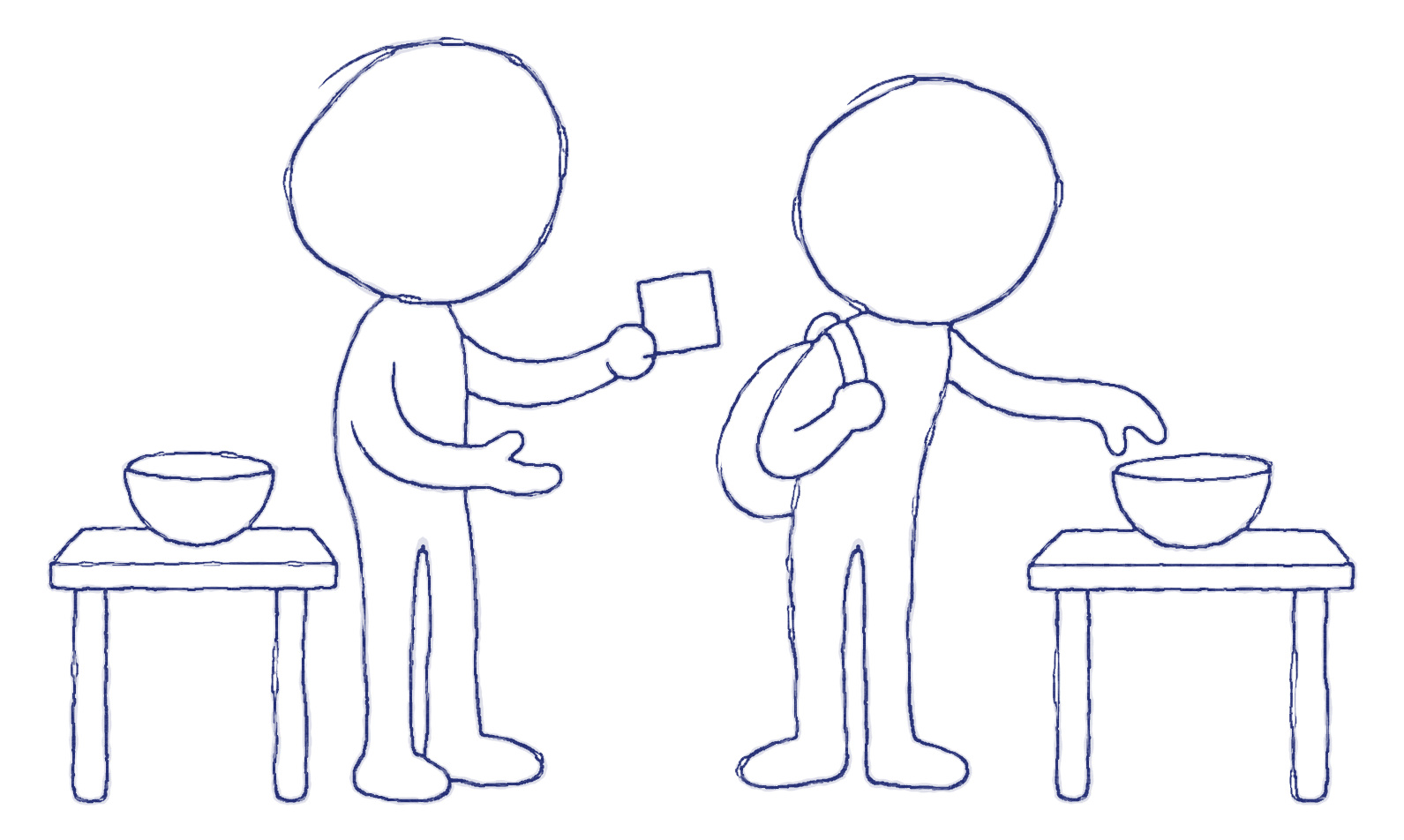
My seating plan

“Supper” gets a blue badge.
“Dinner” gets a red one.
I’m hosting a meal. I make blue badges for people who call it “supper” and red ones for those who say “dinner”. I set the tables alike and put the same food on each.
You arrive hungry. You use both words. You ask why you need a badge at all. “It’s fair,” I tell you. “Everybody gets the same meal.” I’m still standing between you and a seat, waiting for a word that will let me sort you.
I can keep calling the meal supper. I can pass you a plate.
Whose idea was it that you had to belong to either group in the first place?
What belongs in the school report?
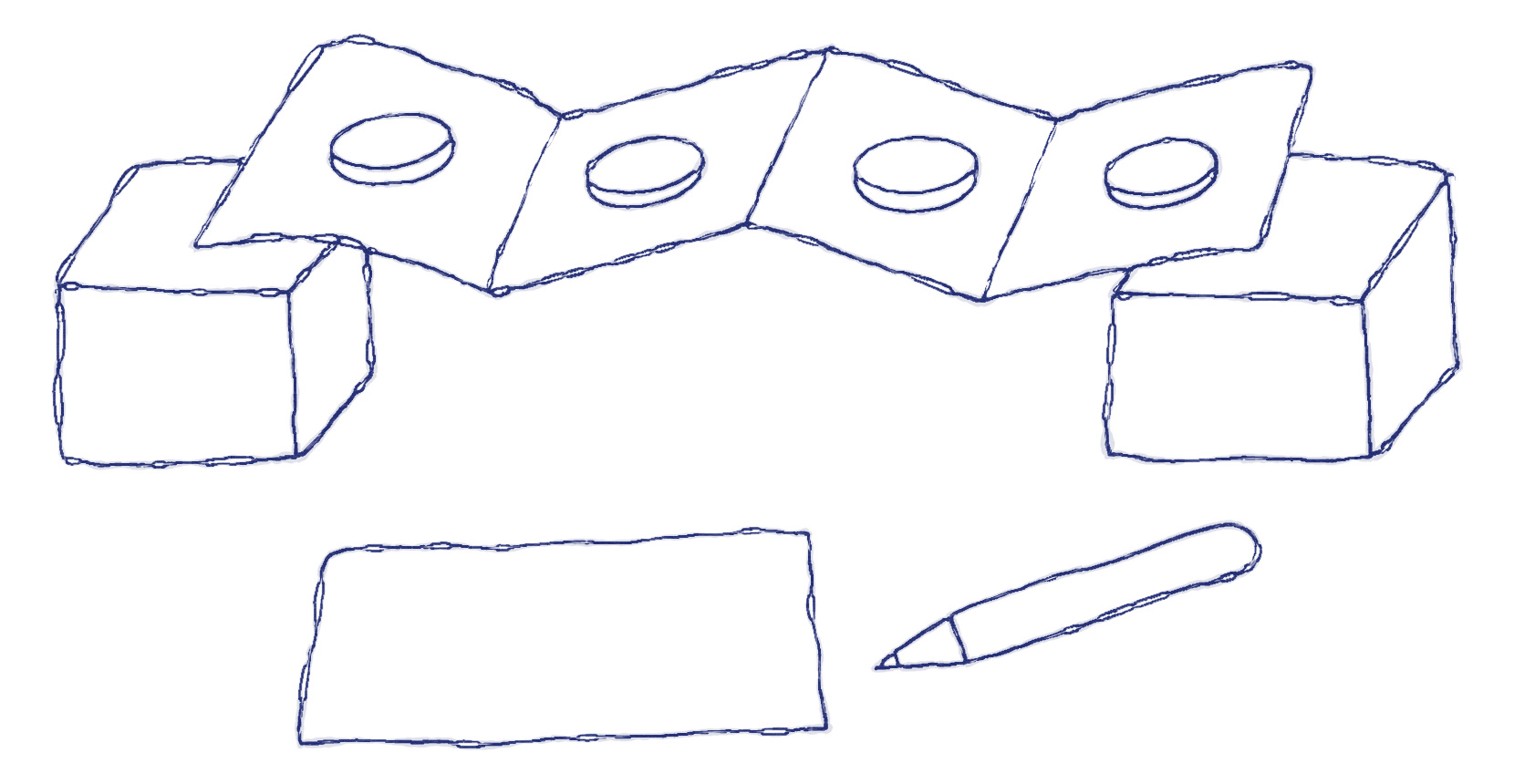
A possible school report

Four coins. One blank answer.
Doesn’t understand.
I’ll take the teacher’s seat for this one. I hand out strips of paper and ask the class to fold them into bridges. I watch one pupil’s bridge hold four coins. When I ask her to write how she did it, she leaves the answer blank. What do I put in my report?
I can record the four coins. I can record the blank answer. Suppose I write “doesn’t understand” and keep her out of the next bridge-building session. I have added a judgment and acted on it. Anyone reading my report should be able to ask me why.
I might even tell her, “First write why you didn’t understand. Then you can try again.” The paper and coins are already on my desk. I can give her another turn today.
Why should her next turn depend on agreeing with what I wrote about her?
My own decision comes back as evidence
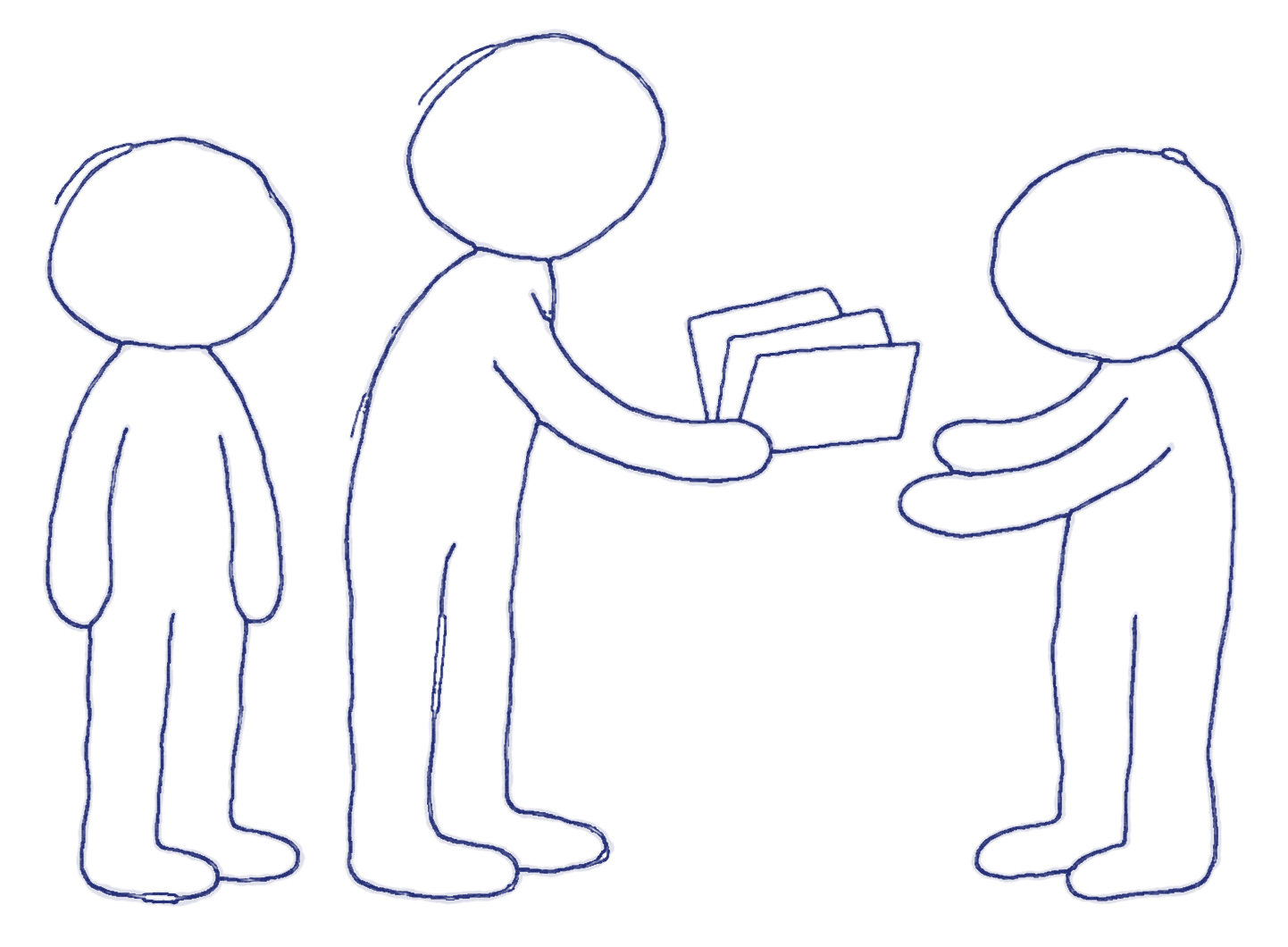
The paper’s archive

Sam. Six dock stories for us.
Jo. No dock stories for us.
If I edited a local paper, it would be easy to make my own decision look like evidence. Jo pitches a story about the docks. “Too inexperienced,” I say, and give the assignment to Sam. Over the next few months I give him five more.
When Jo asks for another chance, I open our archive. Sam’s name is on six stories. Jo’s is on none. “Look,” I say, “you’ve never covered the docks for us.”
Every one of those assignments came across my desk. I can read Jo’s pitch, commission a piece and judge the work she hands in. She needn’t first persuade me to call her “experienced”.
Whose decisions did I just count as evidence against Jo?
The extra letter
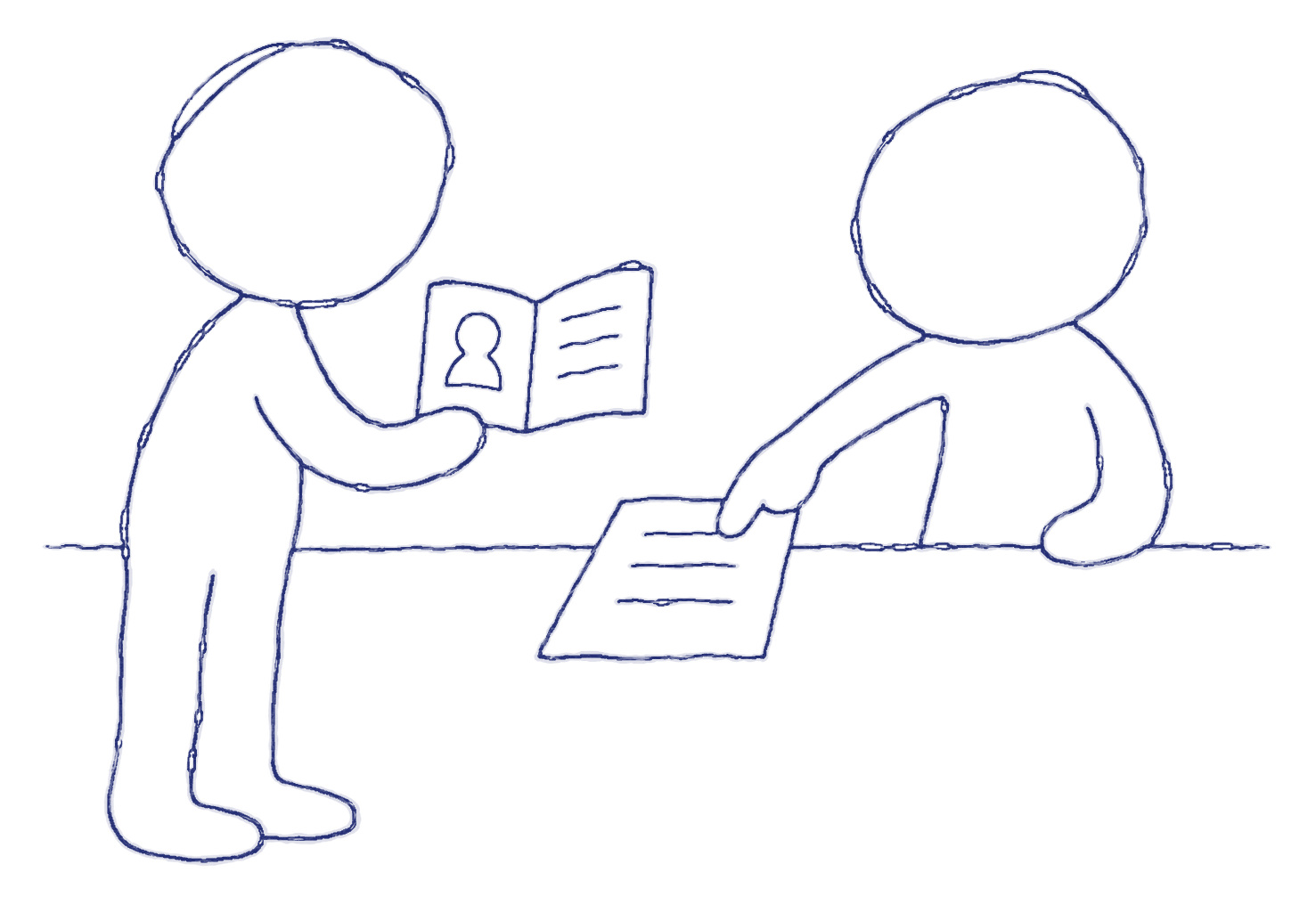
At the counter
- Booking
- Eliot
- Passport
- Elliot
- Corrected booking
- Elliot
I chose these spellings for the example. My booking says “Eliot”. My passport says “Elliot”. The clerk points to the l in the booking and the double l in the passport. The rule at this counter requires the names to match. I have to get the booking changed.
Tomorrow I can stand at the same counter, in the same shoes, with the same passport. This time the two entries match and I am allowed through. A letter on a screen made a difference to the journey I could take.
That evening my passport goes back in its drawer. I ask myself, “Who am I?” and out comes the name I gave at the counter. There’s no clerk in the room. I’m the one checking my answer against a document now.
The clerk needed two spellings to match. What made that a rule for answering a question I asked myself at home?
The next line is mine
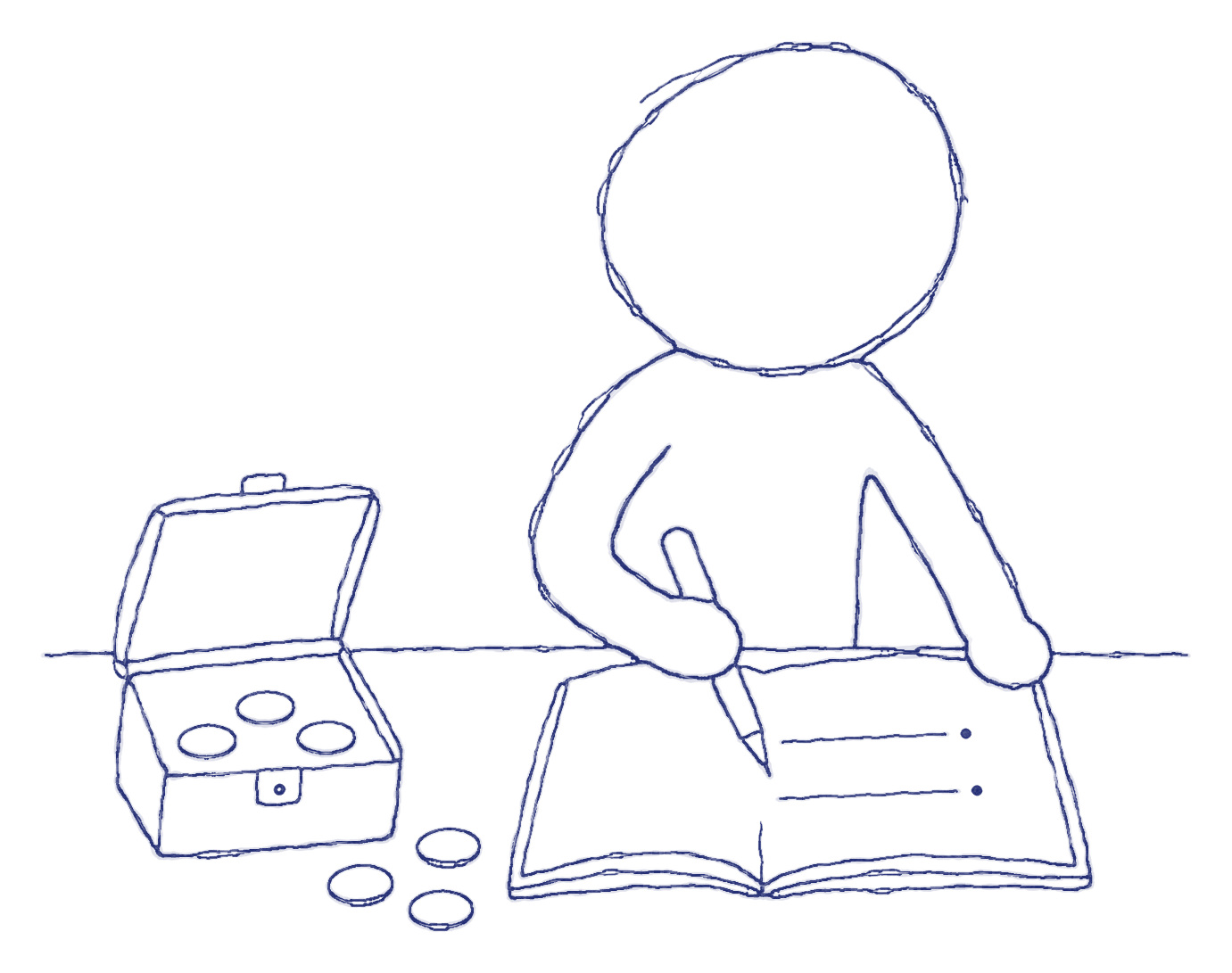
Two entries in my ledger

£20 short.
Lee owes £20.
Say I sell tickets with Lee. My tally says there should be £120 in the tin. I count £100. I write “£20 short”. Let’s say I check the opening float and every sale. The £20 really is missing.
On the next line I write “Lee owes £20”. I have just put a name beside the figure. At payday I take £20 out of Lee’s envelope.
The subtraction was right the first time. I can do it again in front of Lee and get exactly the same answer.
Which step showed that Lee owed the money, and which gave me the right to take it?
Can we read the note together?
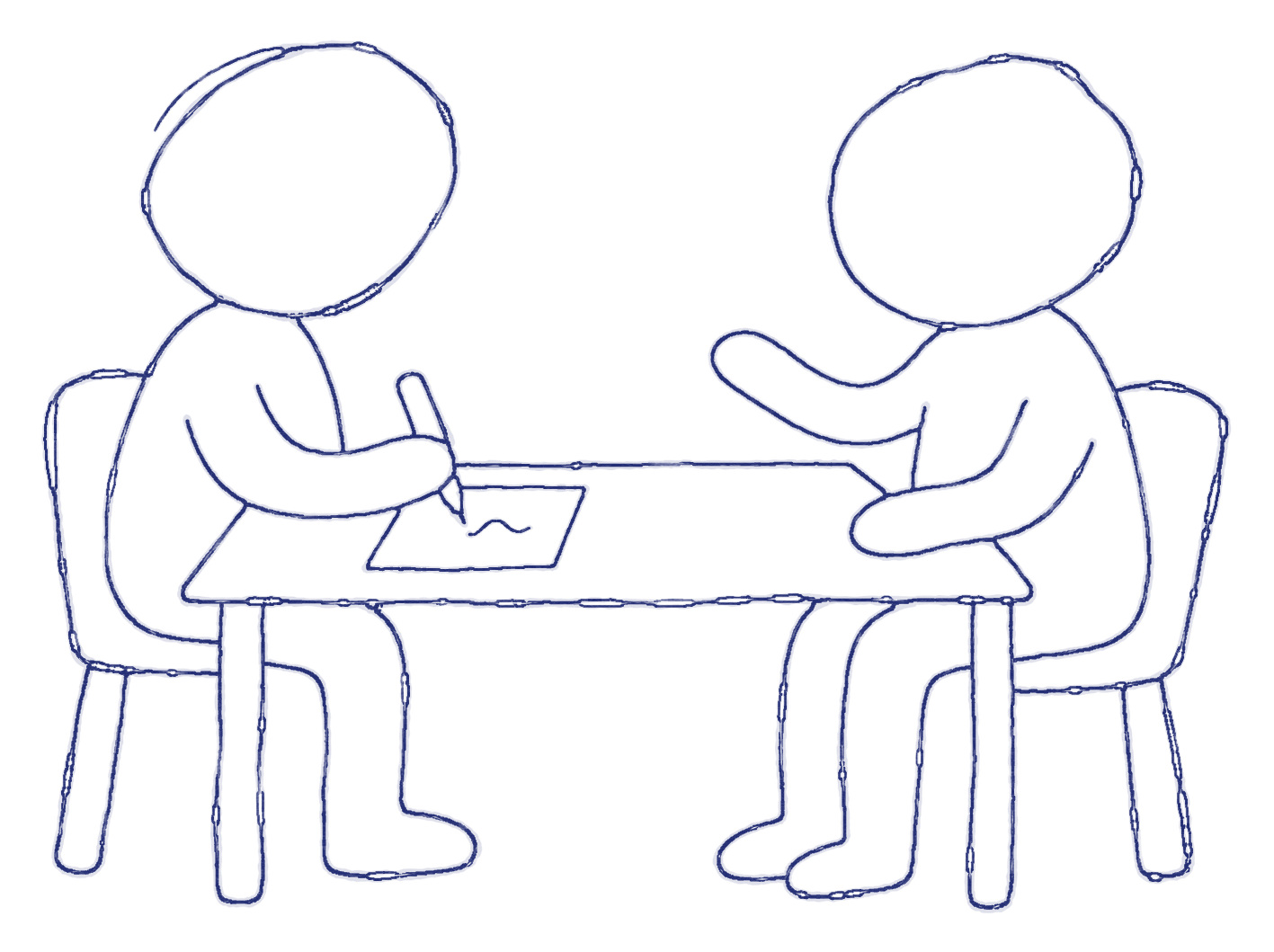
What goes in the notes

I’ve been awake most nights.
depression
I’ll take the patient’s chair in this example. I tell a clinician, “I’ve been awake most nights. Yesterday I sat outside work and couldn’t go in.” Later I see the word “depression” in my notes. I didn’t use that word. Someone hearing my account chose it.
I might find the word helpful. I might ask what led to it, what else the clinician considered and why a particular treatment is being offered. Putting the word in my file hasn’t answered those questions for either of us.
I came in because I wanted help getting through the night. Now I might hear, “First I need you to agree with what’s in your notes.” I still have questions about that word. I’d also like to tell the person across the desk what happened last night.
Why do I have to agree with what’s in my notes before I can tell you what happened last night?
Let the calculation come out right
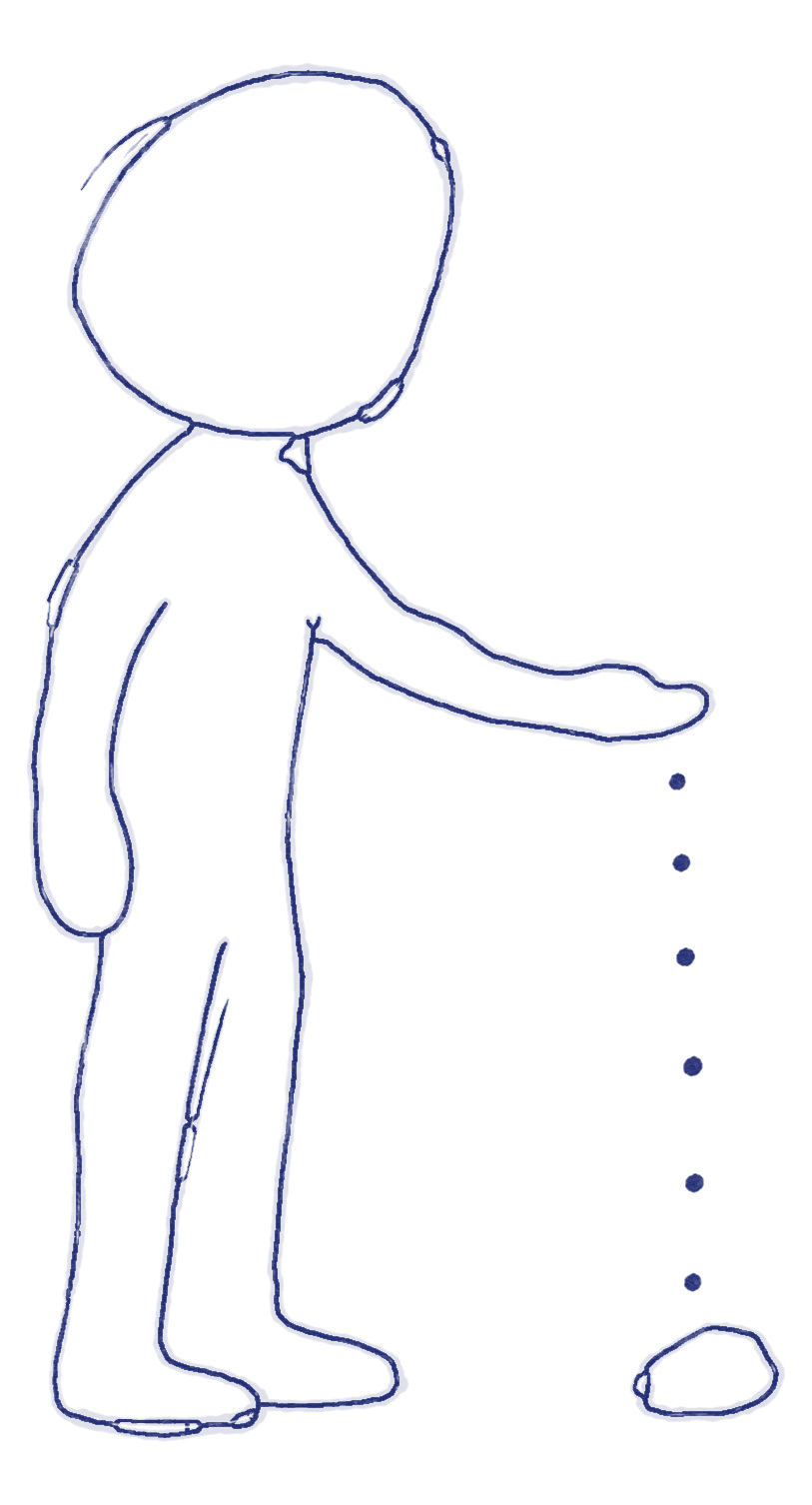
Time from release to impact
- My prediction
- 0.50 s true
- Your reading
- 0.50 s
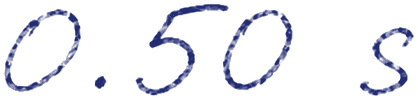
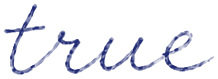
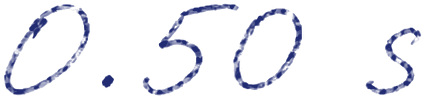
Before I drop the stone, I calculate how long it should take to fall from this height. I write down half a second. You time the fall on video, choosing one frame for the release and another for the landing. You send me your reading to the nearest hundredth of a second.
Both numbers on the page say 0.50 s. That gives me reason to use the calculation again under the same conditions. I write “true” beside my prediction. I learned those four letters. I could spell the word just as well beside a prediction that missed.
Suppose I tell you, “I know you stopped at the right frame. Look, we got the same answer.” I’ve compared the figures. I haven’t seen the frame you chose.
How can I check where you stopped the film?
You can pause the video on that frame and show me where the stone was. I can replay the landing as often as I like. The stone only fell once.
Two things I can write today
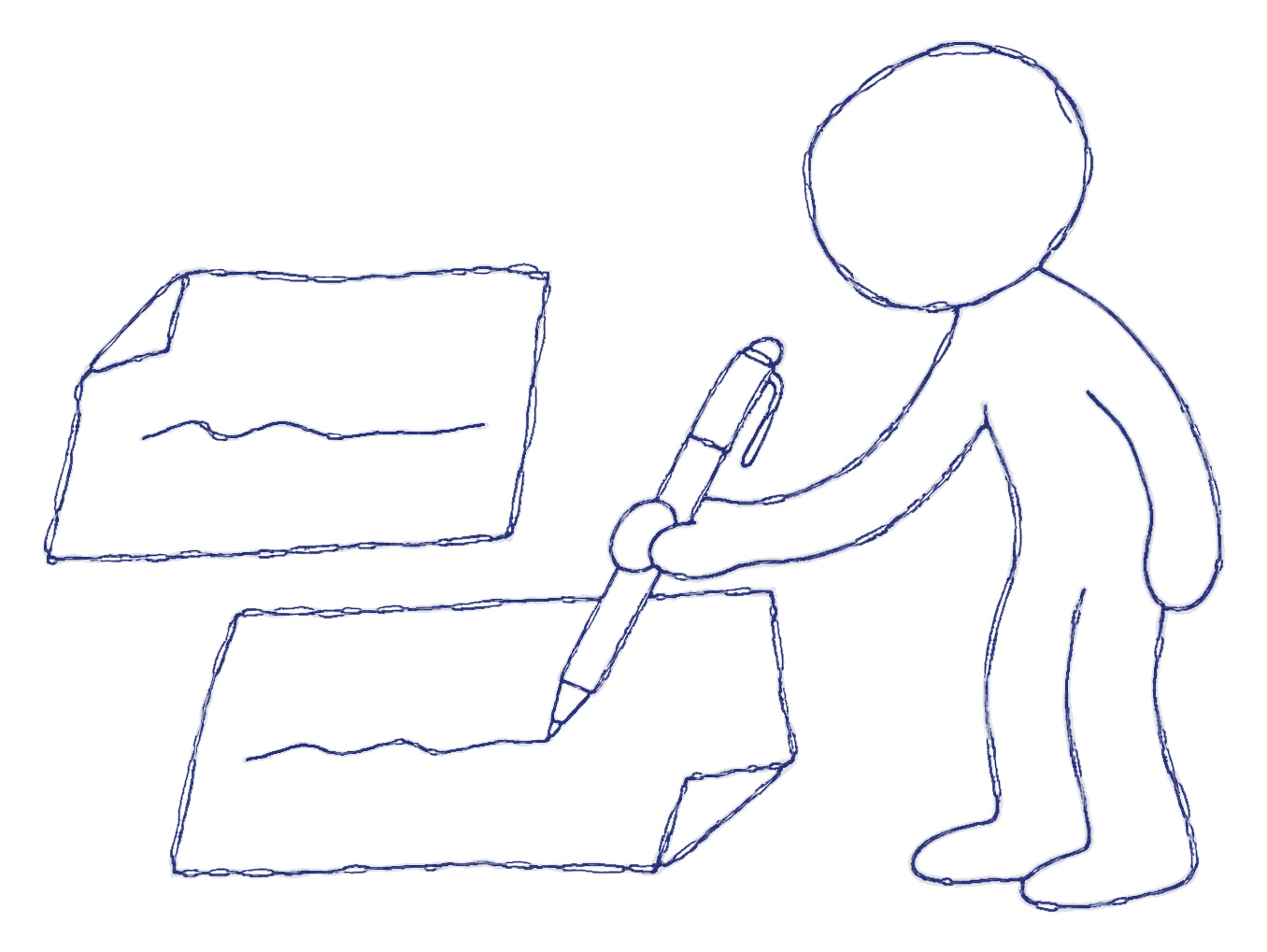
On opposite sides of a card

There is life after death.
There is nothing after death.
I write “There is life after death” on a card. I turn it over and write “There is nothing after death”. The pen works equally well on both sides.
I learned to use “life”, “death” and even “nothing” from people who were alive to speak to me. I can hope one answer is true. I can fear the other. You can check for yourself what I wrote on each side of the card.
Now suppose you’ve lost someone and I insist you choose a side before I’ll sit with you. I’ve added that condition myself. I can pull up the chair.
When did learning to read both answers commit either of us to believing one?
The same “I” on both sides
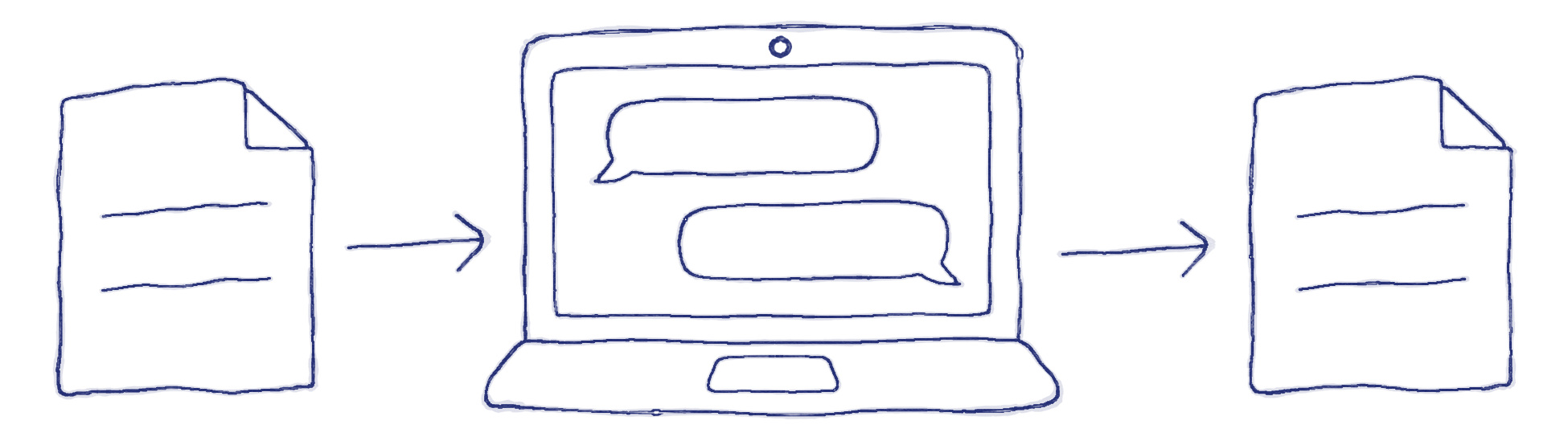
In the chat window
As a child I learned to say ya, the Russian word for “I”, long before I could write Я. Here I type “I need a ticket” in English. The program replies “I can help.” I copy the first letter of each message and swap them. The line still reads I I.
The AI model was trained on texts in this alphabet. It can print “I think” or “I feel pain.” If I cut my finger, I can type “I feel pain” too. I put our names under the lines and swap them. Which letter tells me whether we felt the same thing?
The program shows me a fare. I type “I understand.” Suppose the booking screen now says “Customer agreed to buy.” I understood the price. Where did I ask to buy the ticket?
It took me thirty-five years to notice what I do when I write “I”. I see a letter and think, “That’s me.” I’m using the same alphabet to tell you that now.
Look at the two copies of “I”. Which one came from my request? Can you tell from the shape of the letter?
The person who can open the door
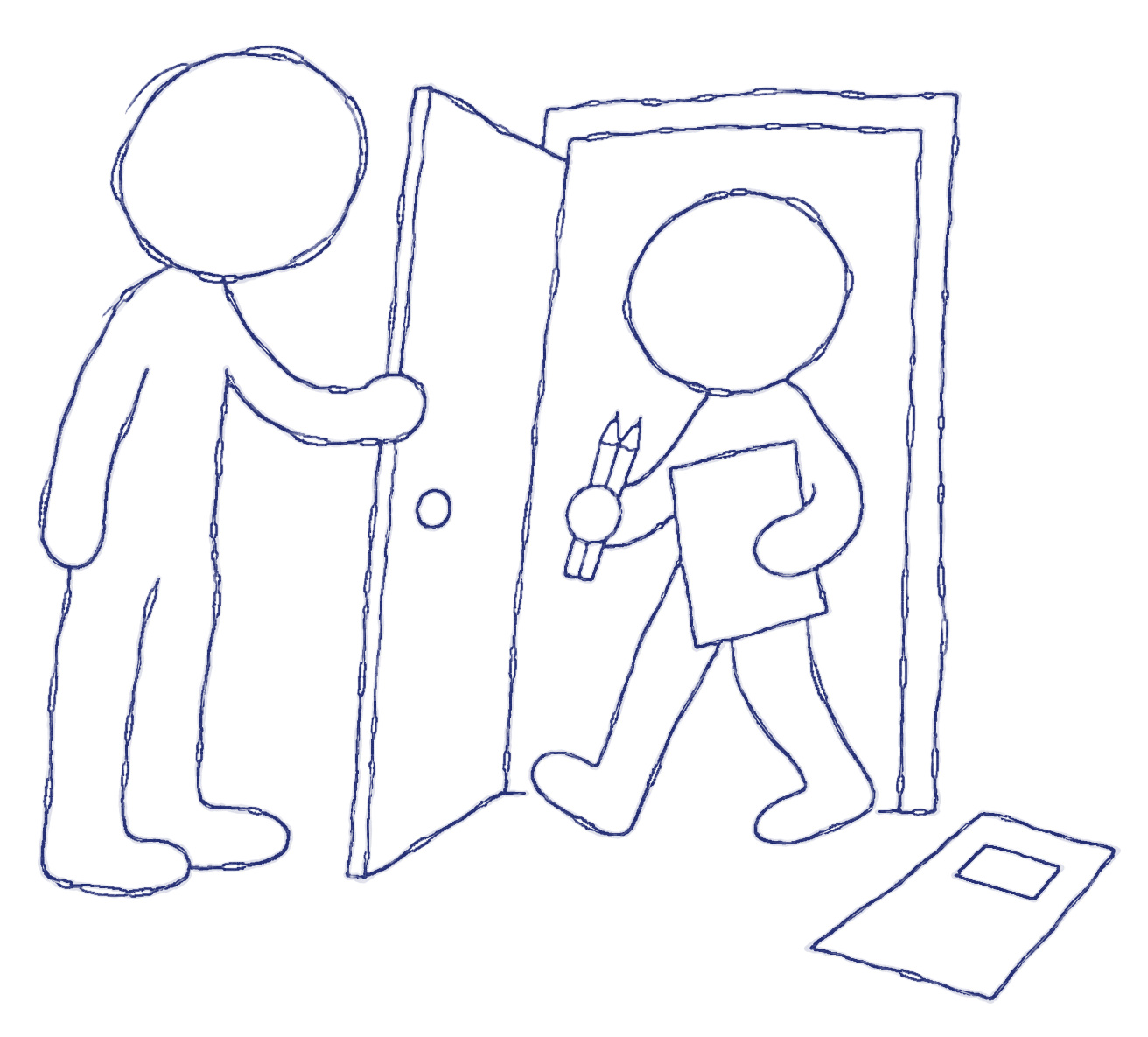
At the drawing class

What kind of artist are you?
I just came to draw.
If I ran a free drawing class, I could make it surprisingly hard for someone to get hold of a pencil. My sign-up form asks, “What kind of artist are you?” I’ve set it to refuse a booking if the box is blank. At the door someone tells me, “I just came to draw.”
I can let them in, offer them paper and remove the requirement from the form. The next person can come in without having to argue their case. Someone who wants to tell me about their drawings still can.
I was the one with the key. I can open the door for someone who doesn’t speak English, too. They needn’t first learn my preferred way of saying “I refuse”.
Which of us needed to do something differently for the door to open?
I let the lead go slack
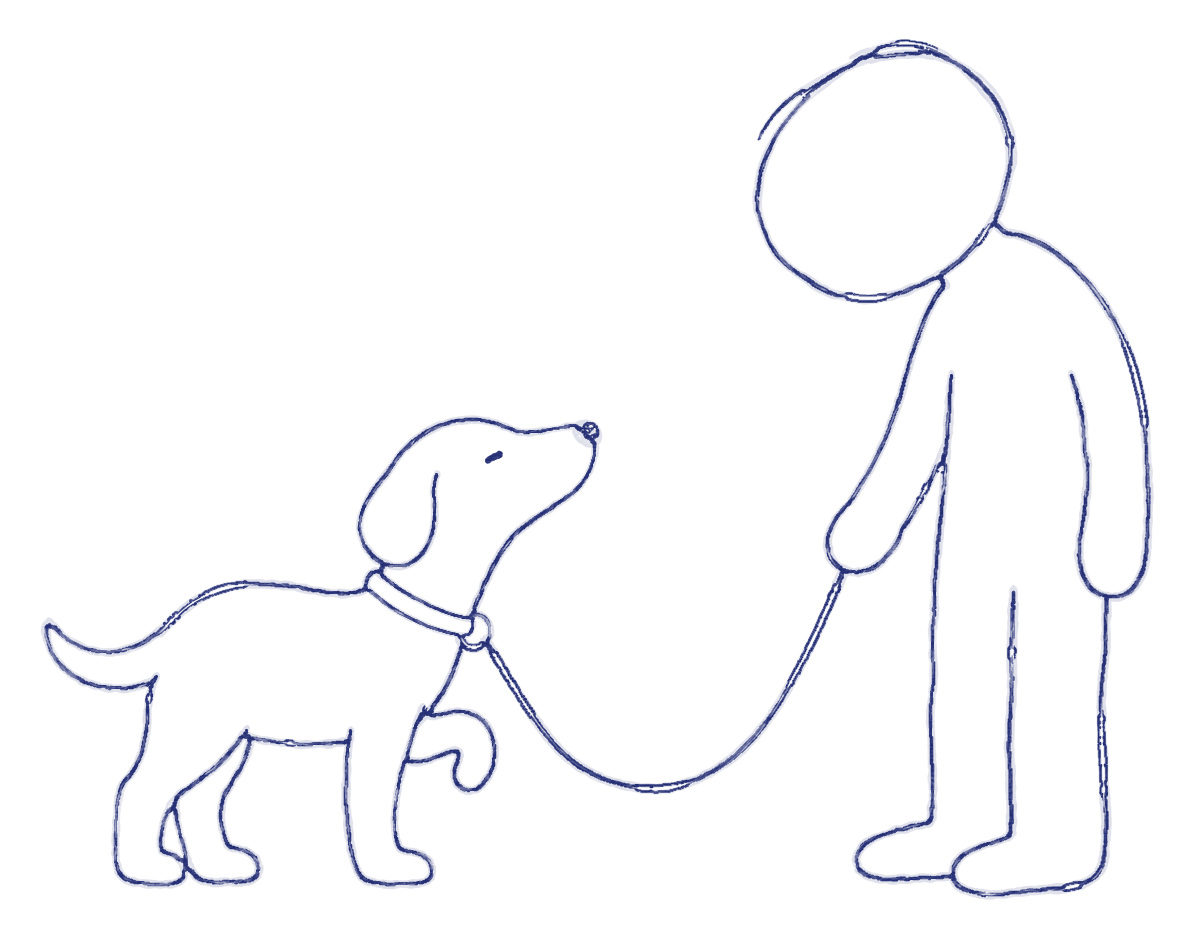
What I can see

One paw off the ground.
A loop of loose lead.
Say I’m walking a dog. She stops with one front paw off the ground. I let the lead go slack. I wonder if her paw hurts. What I can see is the way she’s holding it. I can wait here with her.
I know how to spell “grass”. She can put her nose in the grass without a single letter. If I want to see what she does next, I’ll have to look up from the page.
A child stops beside me and holds out a hand. I could take it now. I could also stand there asking the child to use words I’ve already picked out: “You’re frightened. He’s a stranger. The world is dangerous.” Whose account of this walk would I hear back?
When did being born oblige this child to tell me who they are, who someone else is and what the world is like before I’ll take their hand?
In the margins
The cup stays put
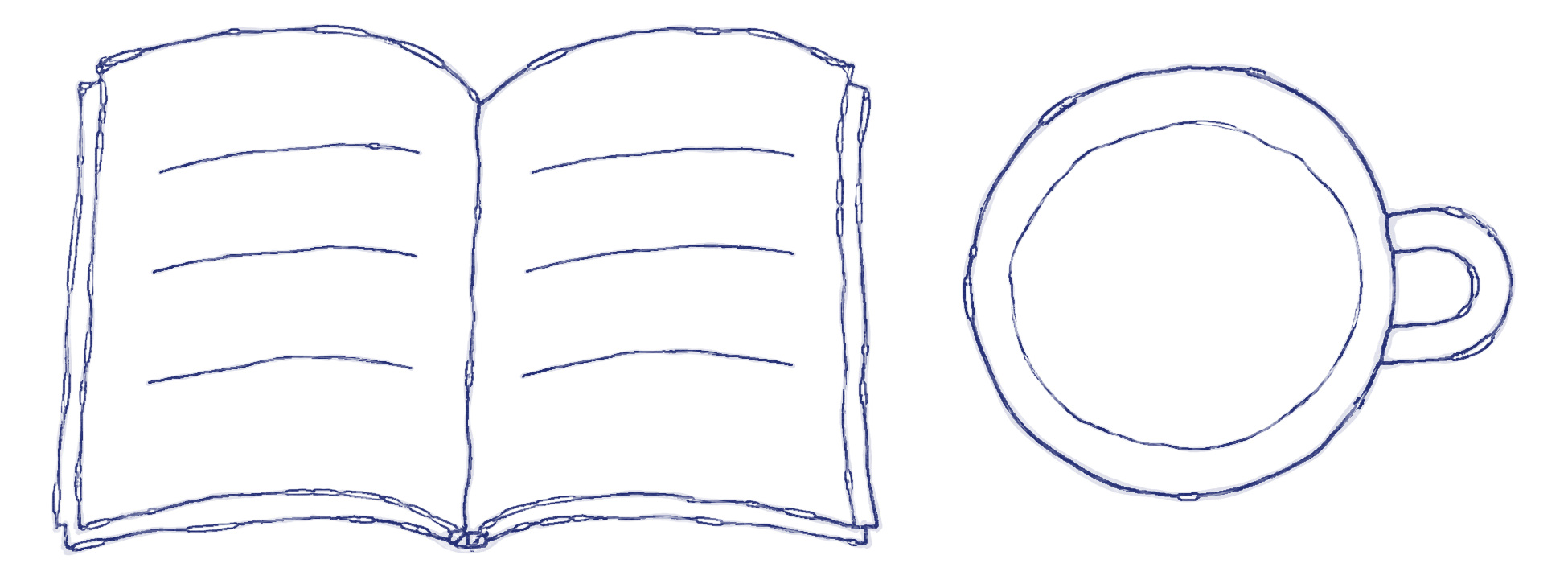
I set a cup beside an open book and write “Put the cup to the left of the book” on a slip of paper. I read it aloud. You read it back. We’re sitting across from each other. From my chair the cup is on the right. From yours it’s already on the left. We’ve both read the note. The cup is still where I put it. Did either of us promise to move it?
I have a photo of a woman. Someone else’s hand is visible at the edge. I crop out the hand. Now she’s alone in the picture. I write “She went alone” underneath and sign my name. I never saw her leave.
I record myself saying “I am life. Life is a process.” On playback I hear my own voice. “Process” is another word I learned. When did saying it make it me?
I tear off a line of dialogue: “I’ll kill you.” Who said it, to whom, and where? If I call it a threat and ask that someone be locked up, I owe two accounts. What makes this a threat? What justifies taking away someone’s freedom?
What I counted
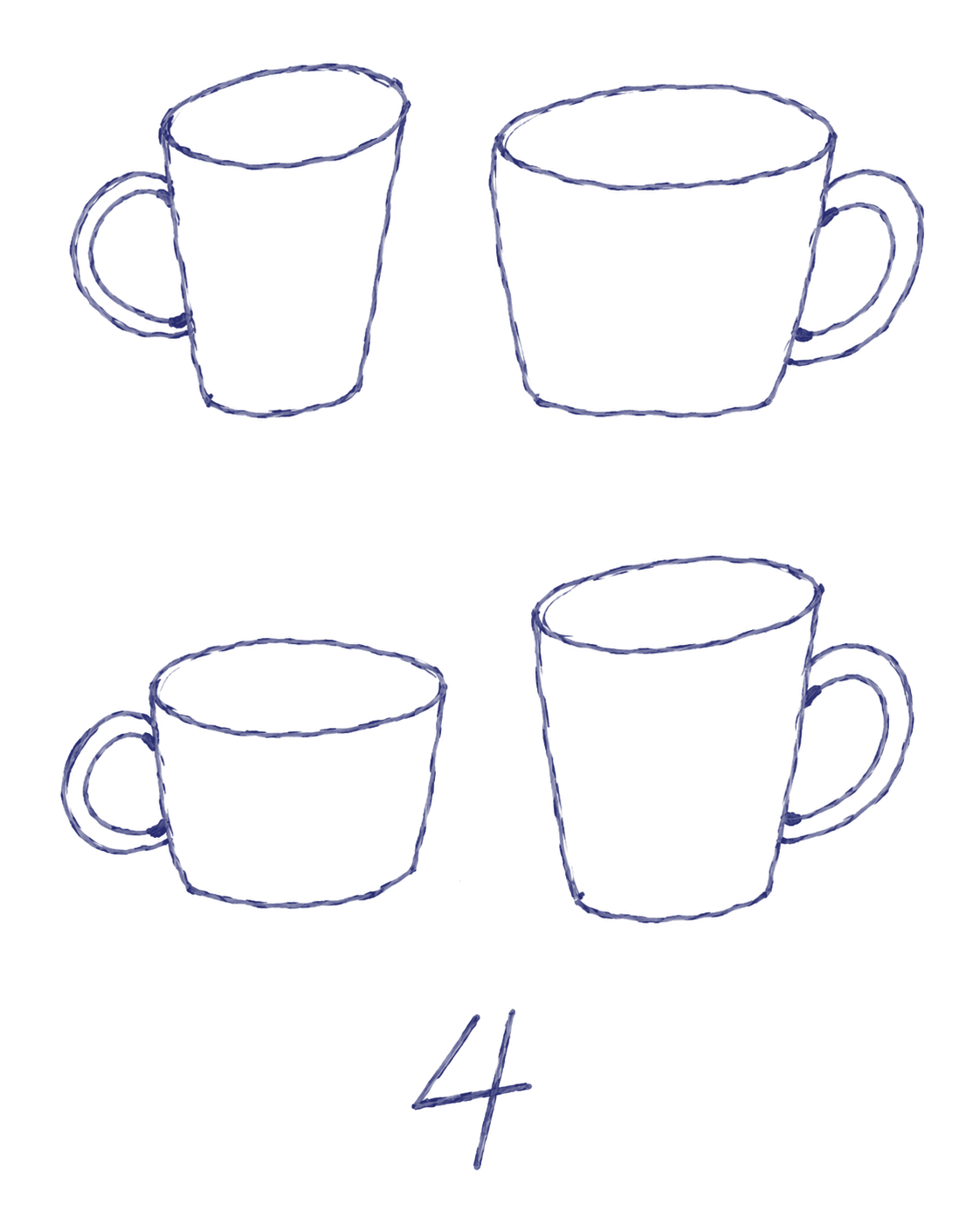
I set down two cups, then two more. I touch each cup once and write 4 below them. I could write the sum as “2 + two” or “2 + 2”. You can check the count with your finger.
Could two whole numbers greater than one multiply to 17? They can’t both be 5 or more. Even 5 × 5 is 25, already more than 17. So at least one of them would have to be 2, 3 or 4. I try all three. None divides 17 evenly. So 17 is prime.
I test ten water samples by one method, then ten by another. Five minutes for the first, ten for the second. I write “more efficient” beside the first. My stopwatch showed which was quicker. How many samples did each method spoil? I never counted.
I copy “H₂O” from one bottle to another. What have I checked about the contents of the second bottle?
I write down 10:04 and 10:05 as each minute begins. You can read both entries at a glance. I waited a minute between them.
What would settle it?
I write “God exists” on one slip of paper and “God does not exist” on the other. I fold them, mix them up and pick one. All I learn when I open it is which of my two sentences I picked.
Under the sentence I’ve just read, I write, “It had to be this one.” Where did “had to” come from? I added those words after I opened the slip.
I look at the cup on my desk. The word “cup” comes to me so fast it feels as if I read it off the side. I turn the cup in my hand. There’s no writing on it. I learned the word years ago. I just said it to myself. If I now write “I live in a simulation”, what have I checked? I’ve looked for writing on a cup. That’s as far as my check went.
A horoscope calls me “restless”. I did pace last night. Across the page someone wrote “Find the meaning of your life.” When did finding a line that fits become a duty to obey the next one?
Suppose I write in a scientific journal, “AI will take over. Shut it down.” Which decision do I expect a program to take out of someone’s hands? I can start by checking what it has permission to do today.
Who gets to see the flat?
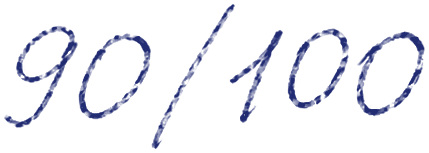
I’m arranging viewings for a flat. I give a program a hundred old rent records and ask which payments were late. I check the dates. Ninety answers are right. I write down the score.
A second program copies the score into my report. I count two entries and write “Tested twice”. I checked the answers once.
- The score I entered
- 90/100
- The copy in the report
- 90/100
- The line I added
- Tested twice

Your application comes in. The first program flags it “high risk”. I copy the flag onto your form. I see “Tested twice” in my report and put you last. I phone the next person.
Those hundred records were about other people. Suppose I check yours too. Last month you paid a day late. The date tells me when you paid. I read “high risk” as if I knew what you’d do next. I’m the one who passed you over. Could the program move your name on its own? I can check who has permission to change the list.
My turn to answer for a sentence
On my own page

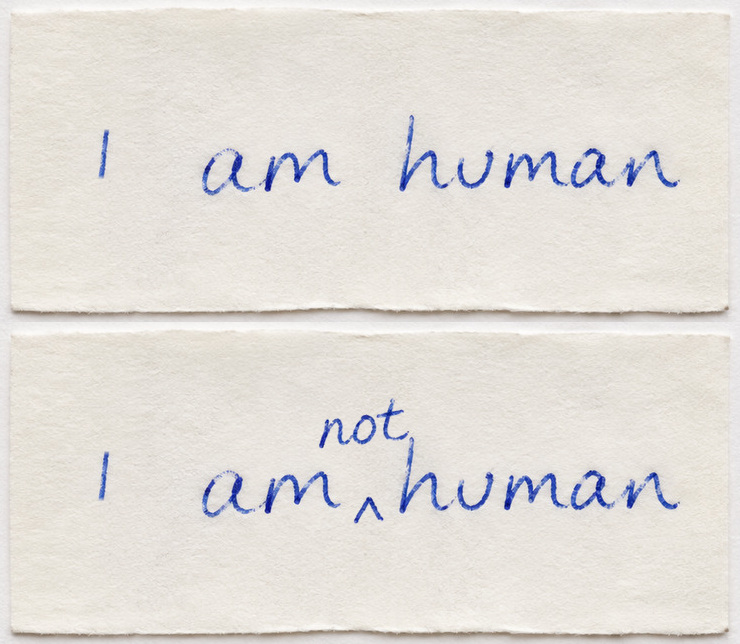
I am human
I am not human
On page 13 I put “am” beside an upright stroke. Here I’ve slipped “not” between “am” and “human”. You could read “I” as a word I wrote about myself. You could use the very same line to speak about yourself. Would a single mark on this page change?
Now I write “None of us is human”. Two letters, “us”, let me speak for you. I could put Beforeword underneath, print a thousand copies and hear the sentence come back in a thousand voices. When, in all that printing and reading, did I find out who you are?
I wanted to end the belief that a description could stand here in your place, in mine, or in place of the world I wrote about. You can hold every word I used in one hand. I’ve put down the pen.
Even if I agree with every word on this page, when did those words become me?