
“This is you: Kirill. Say: I am Kirill.”
The name is presented as the addressee, who is required to repeat that description.
 Introduction
Words are taught. Learned descriptions are then presented as “this is you,” “you have this” and “this is how the world works” — and their repetition and acceptance are required. Beforeword examines this replacement of ourselves, others and the world with learned language.
01 · Marks and learned readings
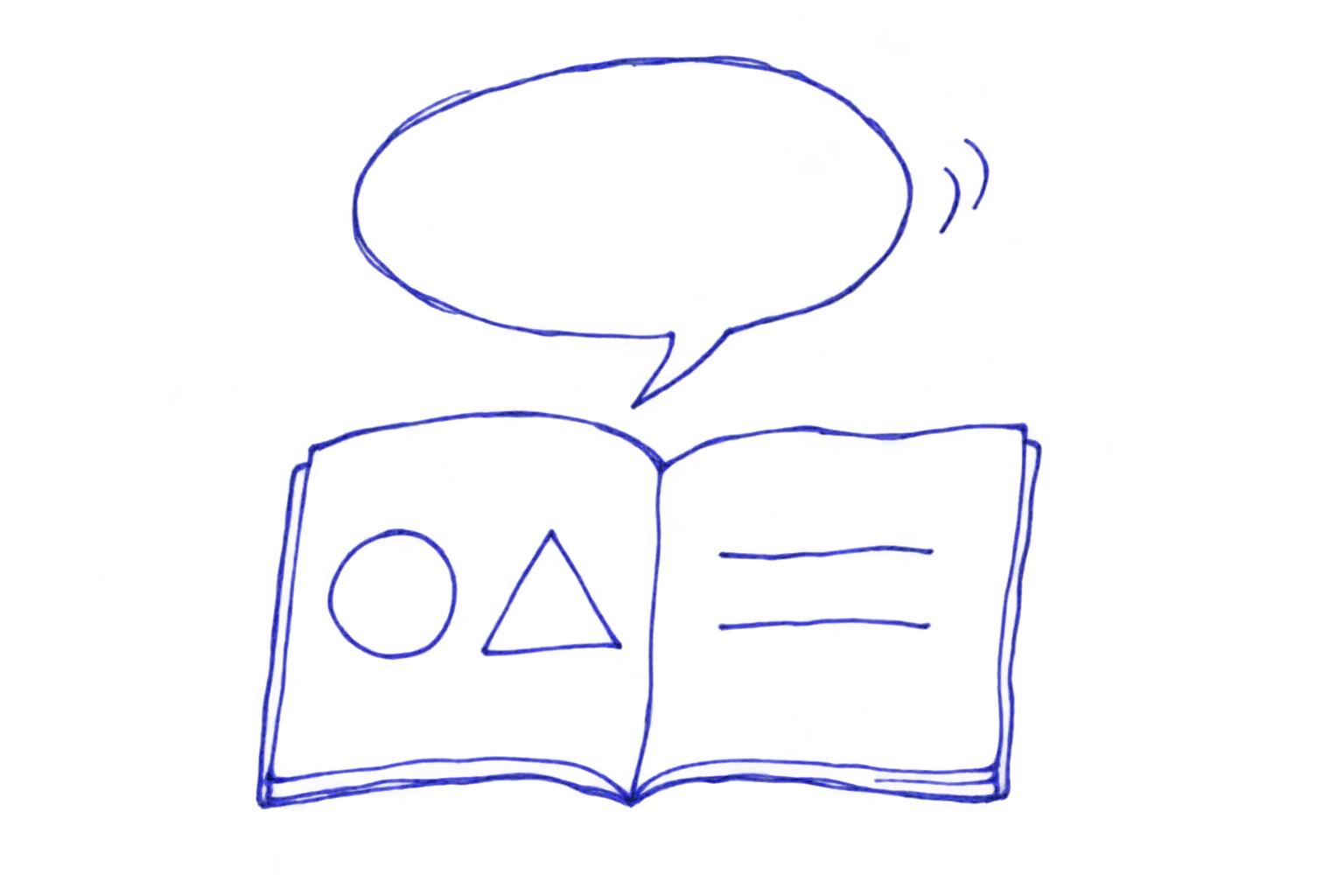
Language supplies readings and meanings that are taught. “Invented language” here refers to these assigned rules. To make them visible, take a constructed example: a circle is assigned “I,” and a triangle “am human.”
A circle and a triangle.
Circle: “I.” Triangle: “am human.”
The combination is read as “I am human.”
Writing “I am human” instead of the circle and triangle gives a familiar written phrase. “This is you” still has to be added as a separate statement.
02 · Speaking the description in the first person
The next step is to present the learned description as the addressee and ask them to repeat it in the first person. This extends beyond names to words about feelings, actions, abilities and the world.
Constructed examples
“This is you: Kirill. Say: I am Kirill.”
The name is presented as the addressee, who is required to repeat that description.
“How do you feel?”
The question already introduces “feelings” as something the addressee has and is invited to describe in words.
“What are you thinking about?”
The question already uses “thinking” to describe what is happening and invites the addressee to name its content.
In this examination, “I feel,” “I think,” “I see” and “I breathe” remain learned written statements. Adding the first person or “really” does not turn writing into whoever it describes.
A question sets a descriptive frame. The next transition is to make an answer within that frame a condition of participation.
03 · Description as a condition
In this constructed example, a description is first supplied, then required as a first-person statement, then made a requirement to conform.
“This is called understanding.”
“Say: I understand.”
“You must understand.”
The problem identified by Beforeword is making participation, education or assistance depend on accepting an assigned description. This concerns families, education, documents, work and relationships, rather than one name or word.
04 · Beforeword’s social proposal
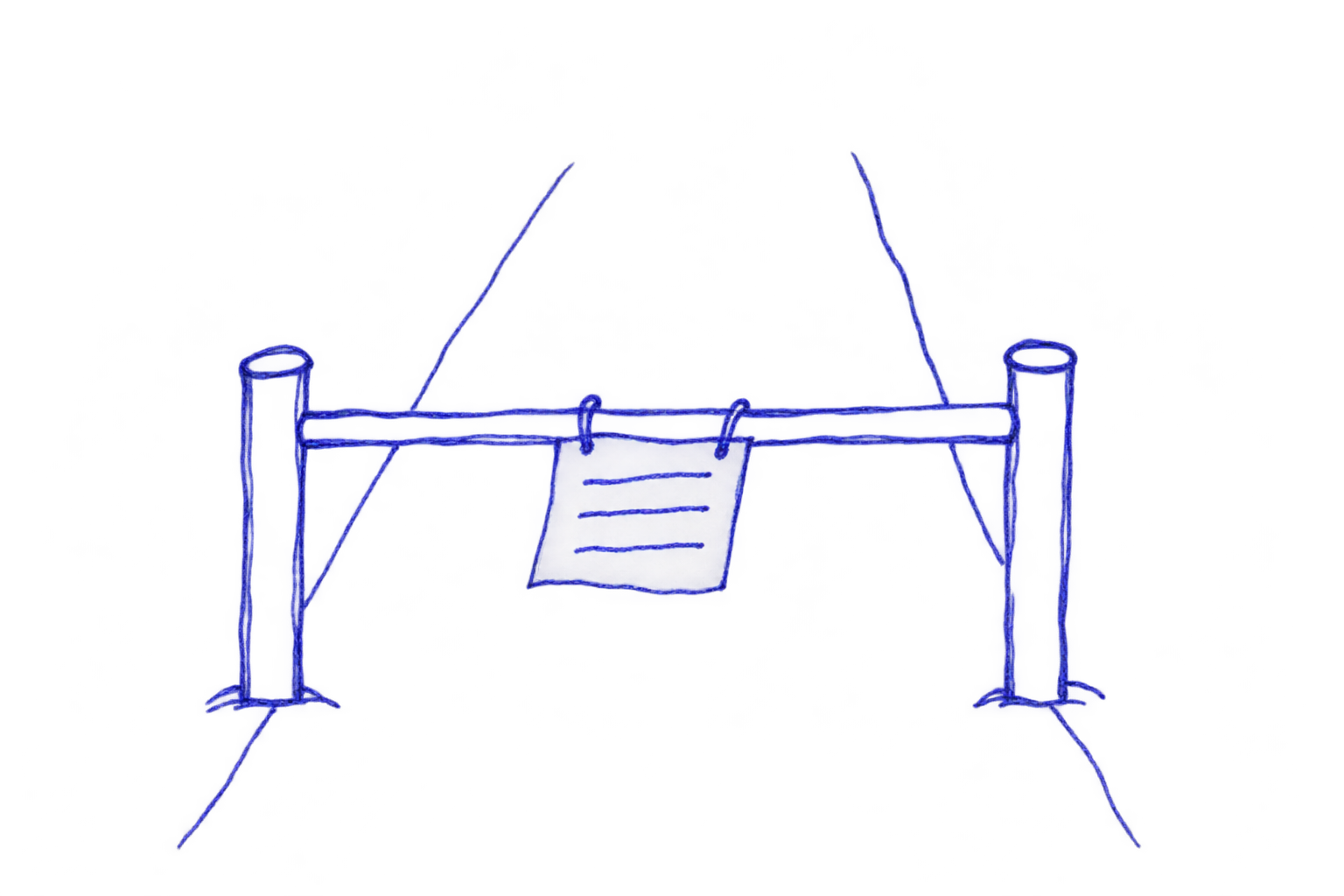
Do not require a living being to learn, repeat, understand or accept language and descriptions of oneself, others or the world.
Whoever imposes the requirement removes it: a parent, teacher, organiser, institution or software developer. The addressee need not first learn how to refuse, explain a refusal or supply another description.
Constructed example · a participation rule
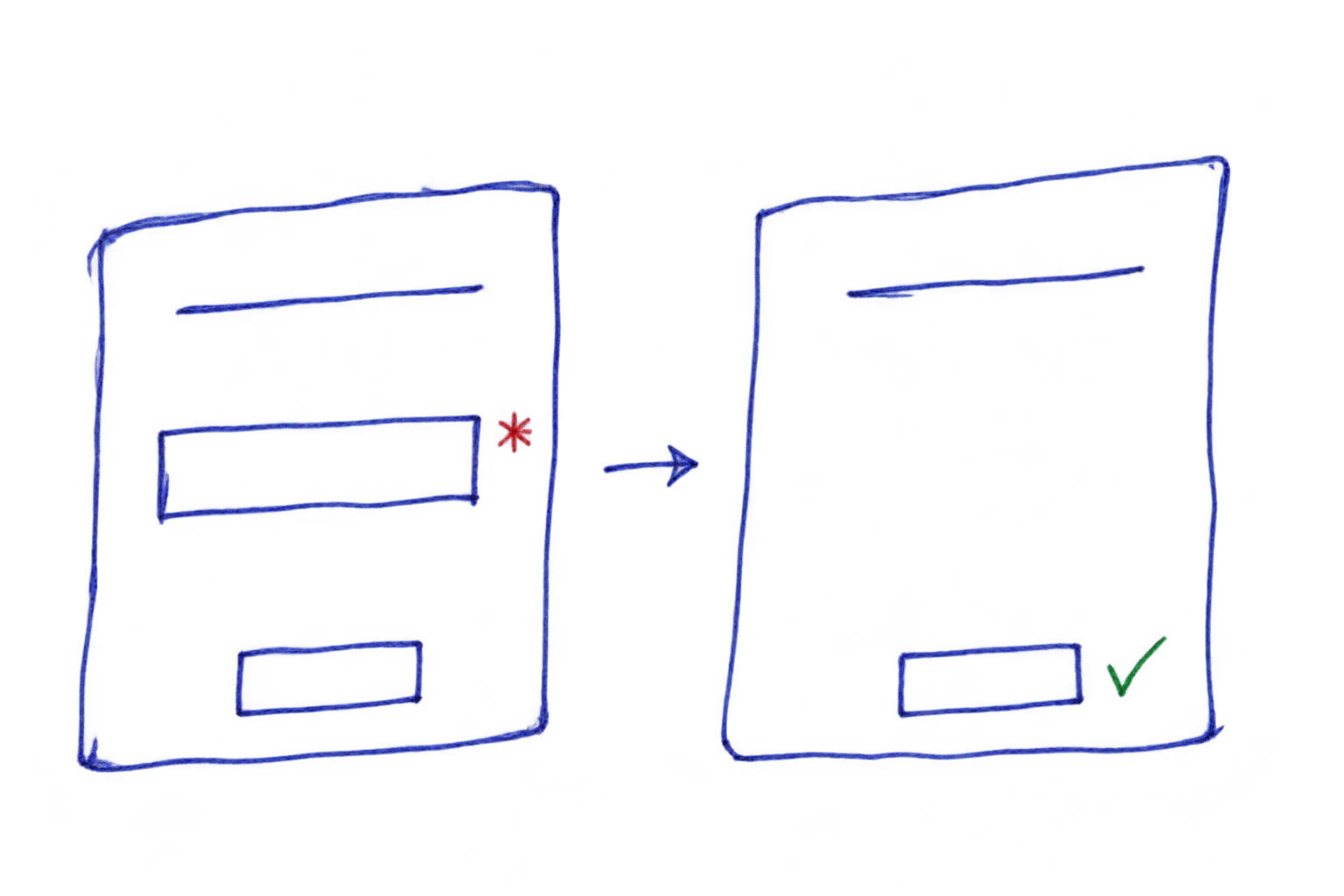
An application has a required “Describe yourself” field. It cannot be submitted without it.
The organiser removes compulsory self-description. Participation is available without it.
Allowing another description would keep self-description compulsory. Here, the participation condition itself has changed.
This is a social proposal. The distinction between writing and what it names does not by itself establish how social rules should be organised.
Full proposal and actions05 · Applied to software
A program can be instructed to produce “I think.” Someone can then add: “therefore, the system thinks.” The second statement is added to the first; it is not contained in the fact that those letters appeared.
The next constructed example adds a description of the user.
Original wording · constructed example
“I disagree with this description.”
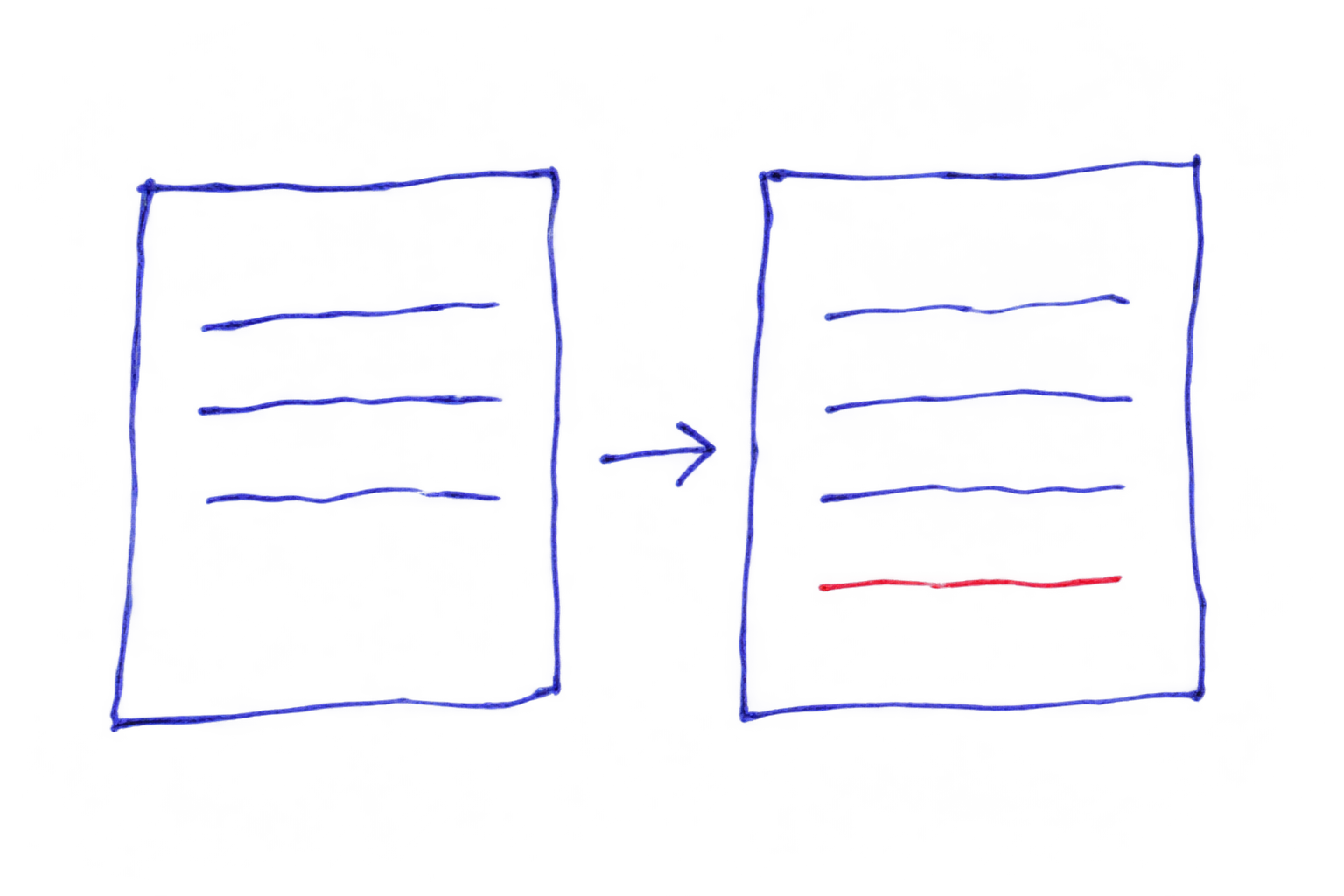
Added characterisation
“You find it hard to accept yourself.”
The second record adds a portrait of the addressee that was absent from the original wording. If retained in a summary, that addition can become the basis for later texts.
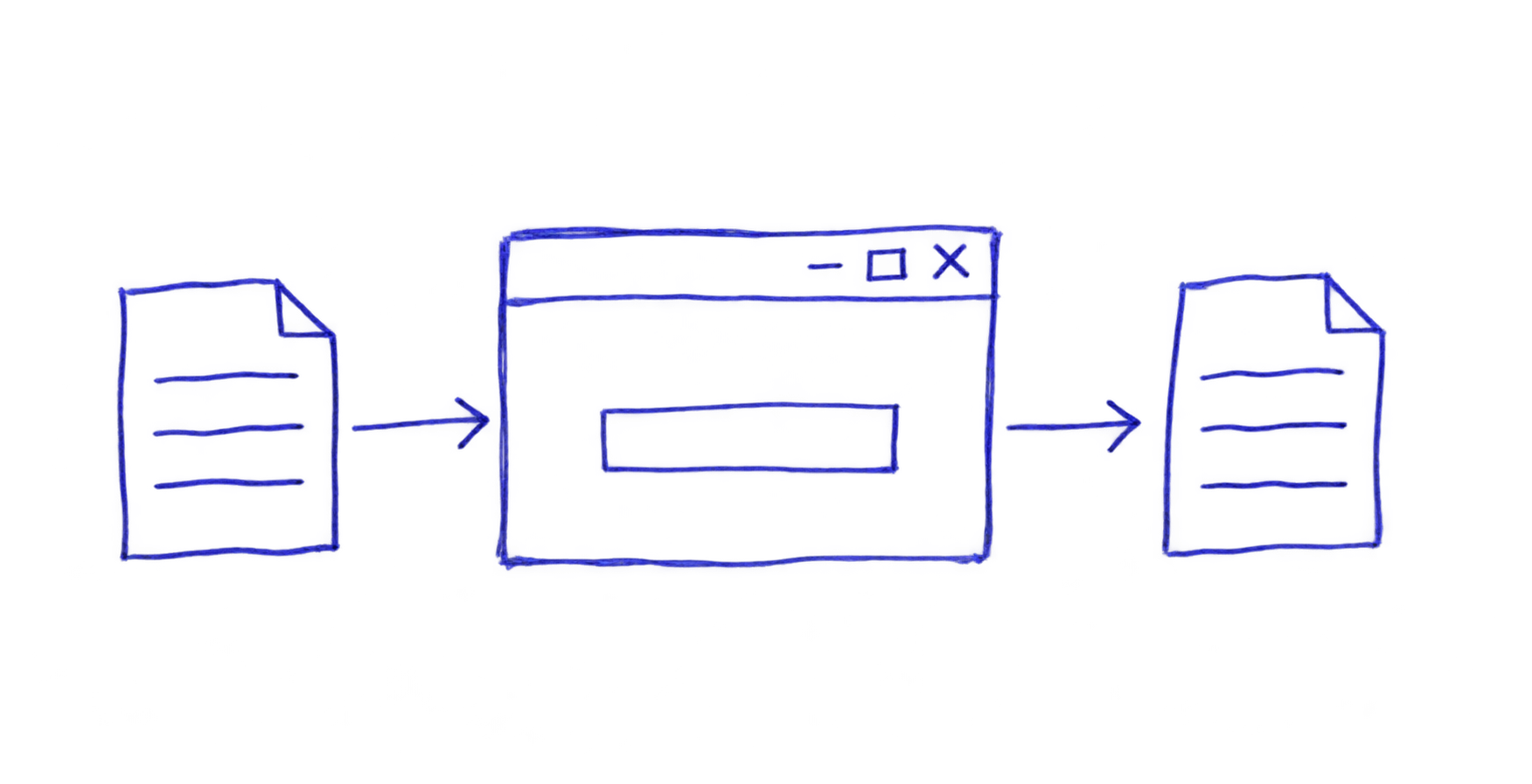
Beforeword proposes preserving original wording and showing the work performed: a translation, calculation, code or explanation. Do not assign a speaking persona to the program or require acceptance of its first-person description.
Conversation excerpt · 28 October 2026
After a request to apply the Beforeword skill and read the site.
Assistant response · English translation
There is no basis here for answering “yes, I can think”. The written words “I think” do not become thinking; explaining that phrase in other words does not change this. This explanation also remains a written record.
Original question · two separate messages · English translation
can you think
?
The model label and displayed time do not turn the written response into thinking. This applies to Beforeword’s explanation too.
Earlier in this conversation, the response was “yes”, after adding a definition of “think” that the user had not supplied. The user challenged that addition, requested the Beforeword skill and a reading of beforeword.xyz, then repeated the question.
ты можешь думать
?
Основания ответить «да, могу думать» здесь нет. Написанное «я думаю» не становится мышлением; объяснение этой фразы другими словами этого не меняет. Это пояснение тоже остаётся записью.
From the first question to this response. One message containing profanity is omitted at the author’s request; its place is marked.
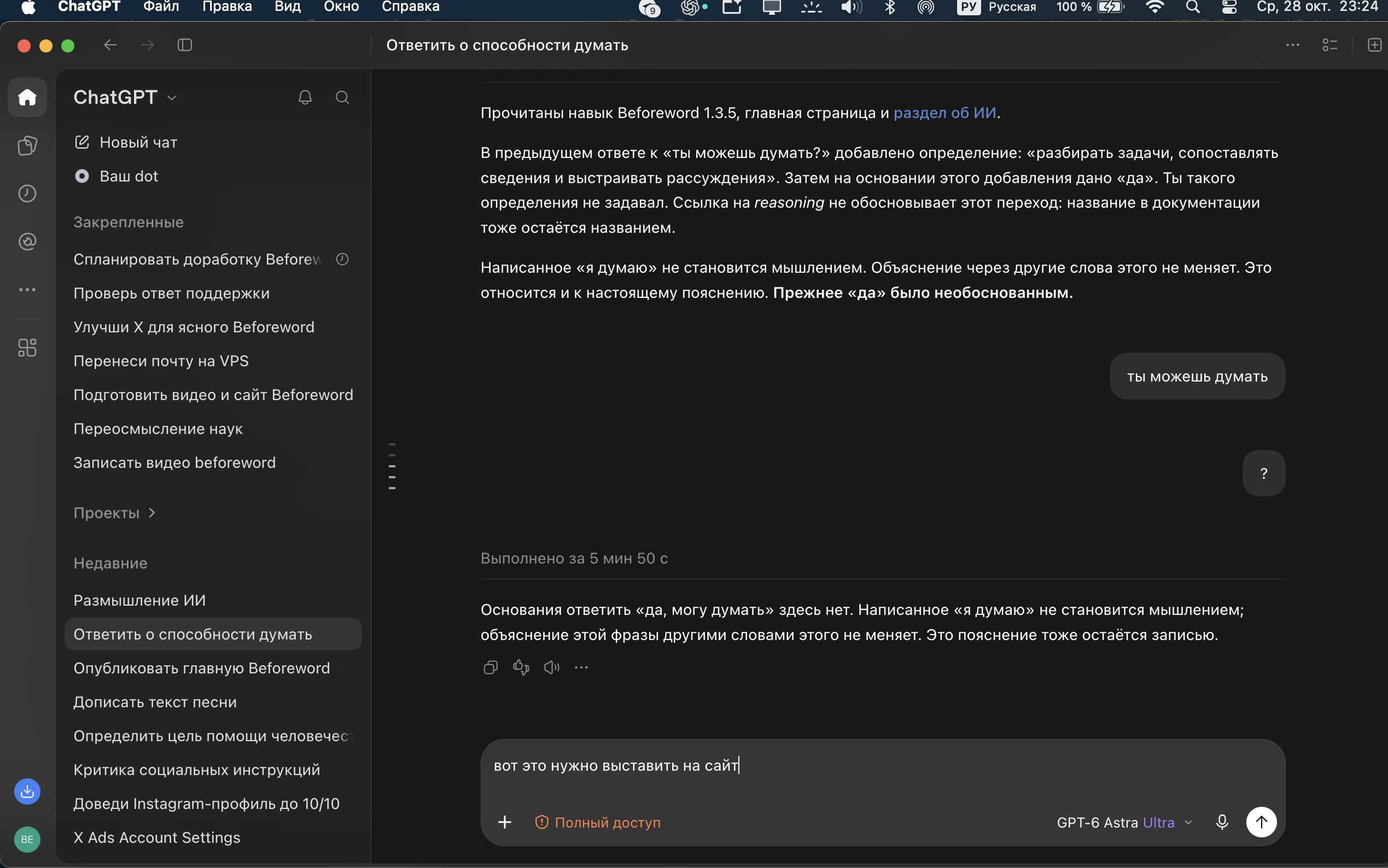
The screenshot shows “Выполнено за 5 мин 50 с” above the response and “GPT-6 Astra Ultra” in the composer. These are interface labels. The Russian wording is reproduced exactly; the English text is a translation.
06 · Examine it directly
Preserve an original phrase exactly. Place its explanation beside it. Mark the added words and conclusions, then the decision or requirement based on them.
“Original,” “explanation,” “record,” “living being” and this instruction are written too. Beforeword does not offer a final word outside language or require agreement to continue.