A beforeword study
Inscription and Reading
Two fields contain the same word: “Door.” Someone then adds: “They understood it the same way.” This constructed example separates matching records from a conclusion about their participants: the added description does not become what it names.
Beforeword examines how learned “understanding” is presented as an account of another person. Matching words, an assigned reading and a conclusion about participants remain distinct.
Contents
01
Two matching fields
Constructed example; not collected participant responses
Original record: key
Field A: Door
Field B: Door
Added claim: They understood it the same way.
The card shows “key” and two fields containing “Door”. The match is directly visible. This constructed fragment does not state the task or what would count as understanding it. “They understood it the same way” adds a conclusion about participants. The task and assessment rule allow the particular response to be checked. The name “understanding”, added to the result, remains a description and does not become what is named.
The prepared lines allow the written responses to be compared. “Understood it the same way” and “understood it differently” are two added descriptions. Neither becomes what is named; withdrawing an attribution does not require proving that what was attributed is absent.
The words in the fields match
Field A
Field B
02
What specific context changes
Message from the constructed example
After reinstalling Windows 11, enter the key to activate the system.
Here “to activate the system” supports an explanation about a software key. It supplies material for a connection absent from “key” alone. Replace the message with “This key opens the door”, and the previous reference to activation no longer fits the displayed text.
Context helps through its content. Calling something “context” is insufficient: show the passage and explain how it changes the conclusion. Additional writing remains writing, but can still provide a useful clarification.
One written form in different messages
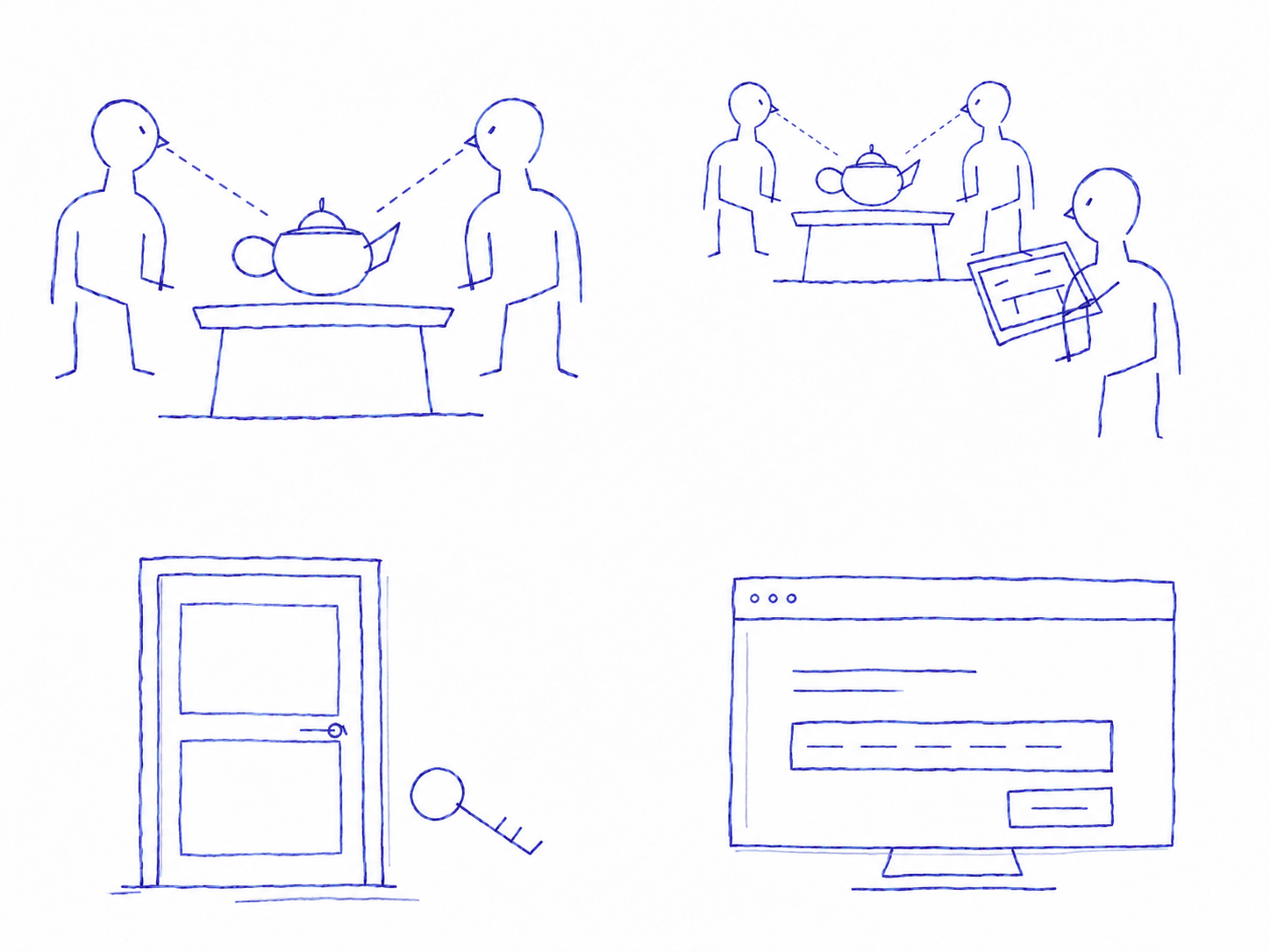
Message about a door
“This key opens the door.”
Message about software
“…the key to activate the system.”
03
When a response can support a limited conclusion
Earlier published editions. These files retain the wording of their release. The revised reading text is on this page.
Section 11 of the paper conditionally links responses to two specified tasks with a claim of shared understanding of the key’s purpose. That claim is retained as part of the earlier paper. The present analysis compares the tasks, responses and assessment rule separately; the name “understanding” does not become what it names.
The comparison concerns the specified tasks and responses. Changing one answer changes the material being compared. The result of the chosen comparison, the name “understanding” and its explanation are examined separately; neither the name nor the explanation becomes what is named.
The study uses prepared responses. It does not report a participant survey or measure real participants’ understanding. A conditional analysis should remain distinguishable from an observation that has taken place.
04
From a response to a report of execution
The paper separates matching fields, a comparison rule, the output MATCH, a report of execution and a judgment. Each addition can be examined for the record it refers to and the claim it makes.
An answer about a key’s purpose and a report that software was activated are different records. Task completion may require additional material: an operation result, a log or another specified indicator. The word “verified” does not supply that material.
For example, if the source log already says “Activation complete”, retain that entry. It can be examined alongside the run conditions and other results. If activation is inferred only from an answer about the key’s purpose, that particular inference needs to be shown and supported.
05
The explanation is examined too
A word does not become what it names. “Names” is also a word. “Understood”, “reader”, “context”, “match” and “justified” fall within that boundary, along with beforeword’s explanation.
An assessment rule can be specified for a task, and the response can then be checked against it. Calling the result “understanding” adds a description. Neither the rule, the assessment nor the explanation becomes what is named. This distinction preserves the check of the particular response.
An examination can end once the relevant lines, comparison and limits have been shown. Its final sentence receives no special status from the absence of a continuation.
06
Keep the first response
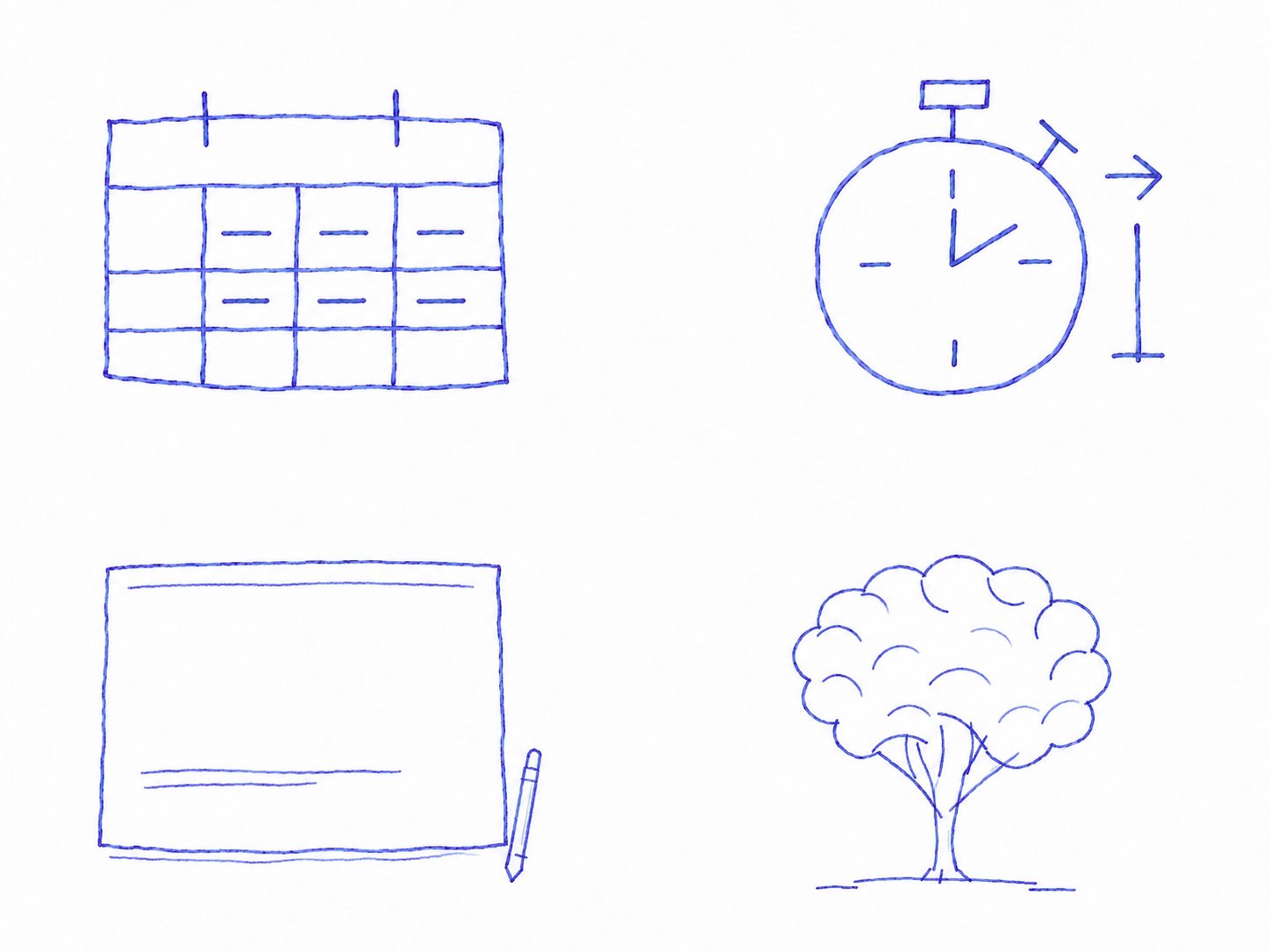
The separate self-check provides images, tasks and space for responses. It can be opened before the paper. If the explanation has already been read, note that alongside the answers so the order of available material remains visible.
Do not overwrite the first response after a new explanation. Add a clarification and a later conclusion beside it. Both records and the reason for the change can then be compared; the new response is not presented as an earlier one.
Pages 1–11 address inscription, surroundings, interpretation, action and written continuation; pages 12–13 address a rule’s condition, a conclusion and an extended answer; pages 14–15 form the afterword. No predetermined “correct” response is required. The self-check is an available activity; finishing it does not oblige the reader to continue.
07
What the materials allow you to examine
The corpus contains 25 excerpts. The paper, self-check and source records make it possible to trace a presented line and the explanation added to it. Checking a quotation against its source concerns textual transfer; it is not a measurement of understanding.
An objection can identify an altered quotation, missing context, an overextended conclusion or a condition that changes the comparison. Agreement with beforeword’s terminology is not a prerequisite for such an examination.
08
Read the corpus and documents
Publication files
English language edition · 13 September 2026. Original research files are listed separately below.
Download the English reading edition · ZIP
Paper and self-check
Original research package
The original package includes the source editions of the paper and self-check, 25 corpus excerpts, source records and editable sources.
Original file checksums
These checksums apply to the original source files, not the English language edition dated 13 September 2026. They do not assess readings or the paper’s conclusions.
Kirill Shebetov. Inscription and Reading. First published 11 September 2026; English language edition, 13 September 2026.
Earlier publications and sources
Links preserved from the original publication. Earlier downloadable editions retain their original wording.
Continue reading
“Did You Understand Me?”What the assessment “Yes, correct” adds to repeated words.
All 15 studiesA question or an objection
Choose a corpus passage, preserve the task and exact records, then identify the conclusion about the participants that needs examination.